Skip to content
Cold walls, rising heating bills, and rooms that don’t even stay warm for a longer duration can make any Dublin homeowner frustrated. When energy costs keep increasing, any frustrated homeowner would go and search for a lasting solution that makes their home comfortable and efficient; honestly, that’s completely normal.
That’s where the right and affordable solution comes in and that’s external wall insulation. However, understanding external wall insulation cost in Dublin is the first step toward solving these daily issues. Basically, external wall insulation acts as a protective shield, reducing heat loss and enhancing the overall value of your property.
In this blog, we’ll explore what external wall insulation really costs in Dublin, what influences pricing, and how to make a smart, cost-effective investment in your home.
What is External Wall Insulation?
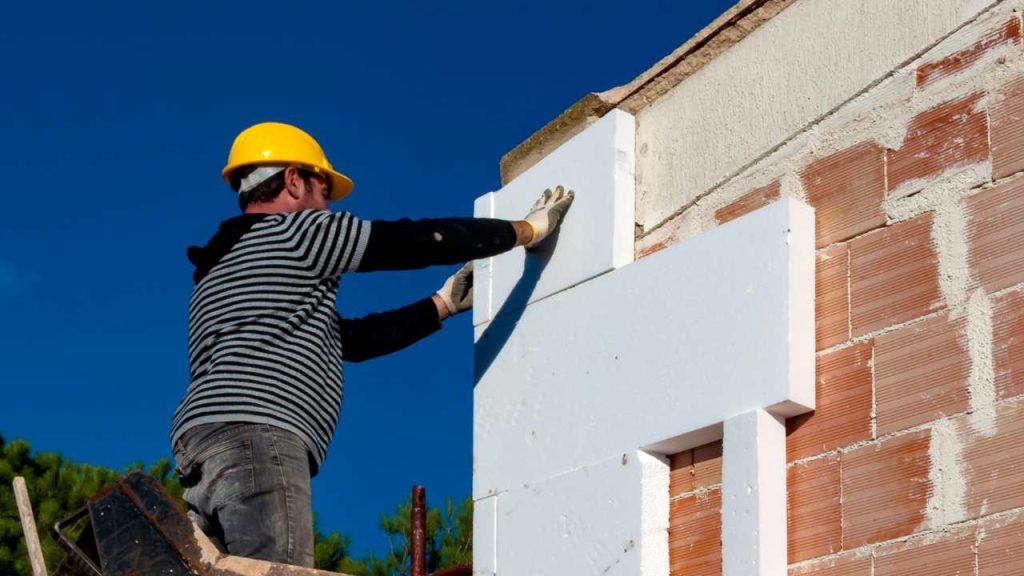
External wall insulation involves attaching a layer of insulating material, such as mineral wool or expanded polystyrene, to the outer surface of a building and covering it with a strong protective finish.
This creates a continuous thermal barrier around the home, reducing heat loss and improving indoor comfort. In Ireland’s cool and often damp climate, where many properties lose a large amount of heat through uninsulated walls, this solution is becoming increasingly popular.
It is especially beneficial for older Dublin homes with solid walls or poorly insulated cavities, helping to lower energy bills while giving the exterior of the property a fresh and attractive appearance.
What Are the Costs of External Wall Insulation and Available Grants?
The cost of external wall insulation in Dublin depends on the size and type of your property. SEAI grants are also available to make this energy-efficient upgrade more affordable for homeowners in Ireland.
Here is a detailed breakdown of the typical costs and grants available for different types of homes.
1. Apartment
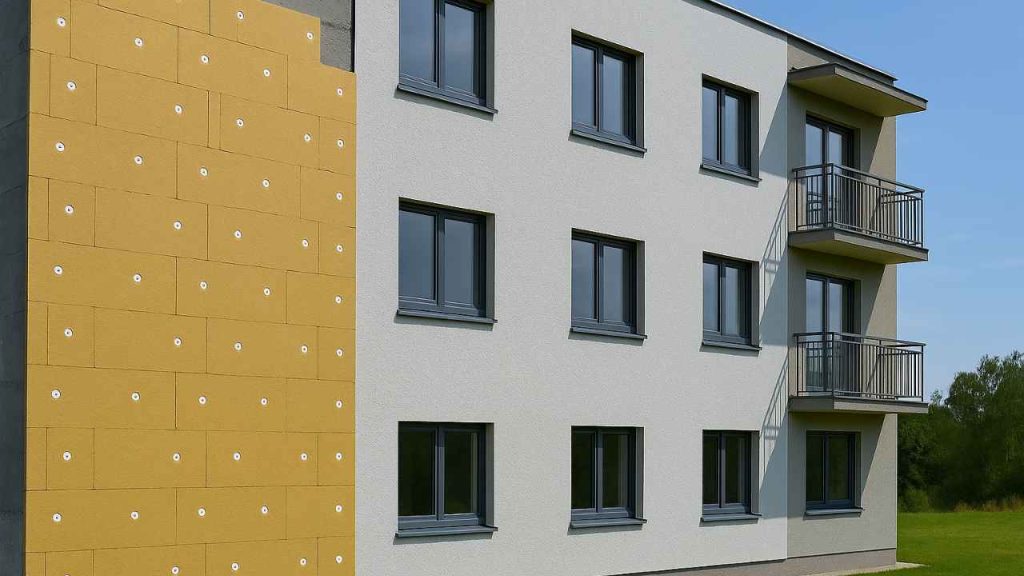
For apartments, the average cost of installing external wall insulation ranges from €10,900 to €13,900. A government grant of €3,000 is available through the SEAI scheme to ease the financial burden.
This makes external wall insulation a practical and cost-effective way for apartment owners to improve their property’s energy performance without excessive expenditure.
2. Mid-Terrace House
Insulating a mid-terrace house typically costs between €10,900 and €13,900. Homeowners can apply for a grant of €3,500 to help cover the expense.
Mid-terrace homes usually share walls with neighbouring properties, so adding external insulation to the exposed walls can significantly enhance comfort levels and reduce heat loss while keeping the upgrade budget-friendly.
3. End of Terrace House
The cost for insulating an end-of-terrace house usually falls between €18,500 and €25,900. A grant of €6,000 is available to make the project more affordable.
Since end-of-terrace homes have more exposed wall area compared to mid-terrace properties, external insulation delivers a major improvement in thermal efficiency and overall home warmth, especially during Dublin’s colder months.
4. Semi-Detached House
For semi-detached houses, the average cost of external wall insulation is also between €18,500 and €25,900. Homeowners can receive a €6,000 SEAI grant to reduce the total outlay.
These properties have two or three exposed walls, so investing in quality insulation provides substantial savings on heating bills and helps maintain a consistent indoor temperature throughout the year.
5. Detached House
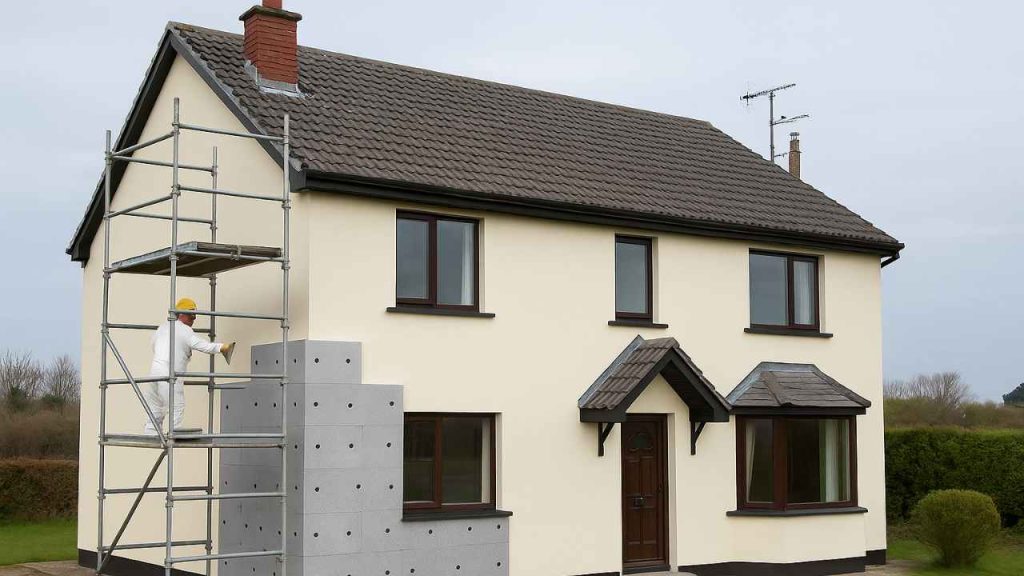
Detached homes, having all walls exposed to the elements, tend to have the highest insulation costs, typically between €25,500 and €33,500. However, they also qualify for the largest SEAI grant of €8,000.
Although the initial expense is greater, the long-term benefits in reduced energy consumption, higher property value, and improved comfort make it a worthwhile investment for homeowners.
What Affects the Cost of External Wall Insulation?
Several factors determine how much you’ll pay for external wall insulation in Dublin. Understanding these key elements can help you estimate costs more accurately and plan your budget effectively.
1. Size and Type of Property
The overall size and design of your home have the biggest impact on the final cost. Big homes naturally require more insulation material and labour, which increases the total price.
Detached homes tend to cost more than semi-detached or terraced properties because they have more exterior walls to cover. If your property includes extensions, bay windows, or unique architectural shapes, expect higher costs due to the additional time and effort needed during installation.
2. Choice of Insulation Material
The material you choose for insulation plays a major role in determining cost and performance. Expanded polystyrene (EPS) is the most budget-friendly and widely used option. Mineral wool costs slightly more but offers better soundproofing and fire resistance.
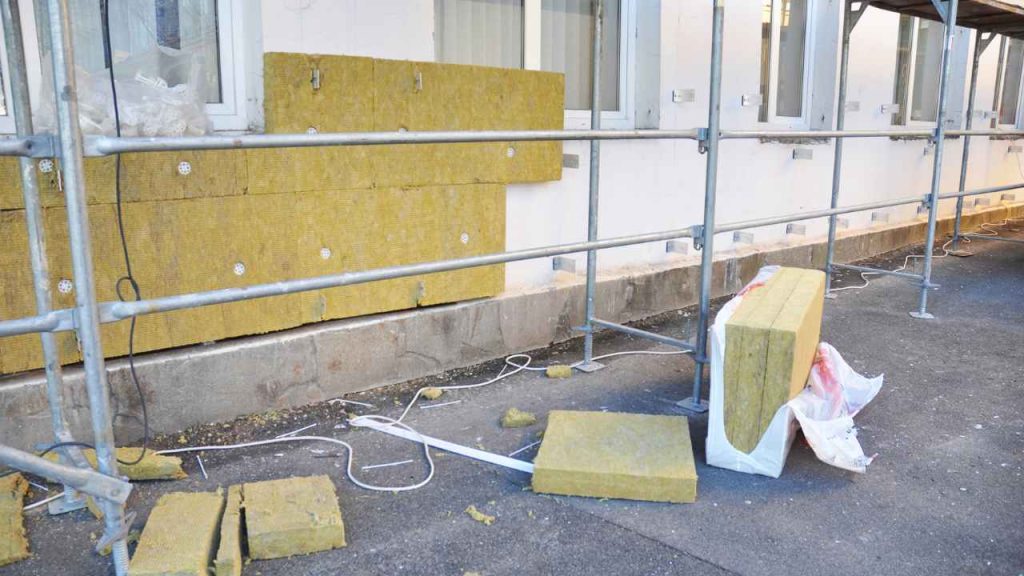
Phenolic foam is the most expensive but delivers exceptional insulation performance with thinner layers. Each option has its own balance between cost, efficiency, and durability, so your choice should reflect your energy goals and budget.
3. Installation Complexity
The complexity of your property’s structure can significantly influence labour costs. Homes with high walls, irregular layouts, or limited access often require additional scaffolding and careful workmanship.
Older Dublin properties may also need repair or preparation work before insulation can be safely applied, which adds to the total expense. The more challenging the installation, the greater the overall investment in time and cost.
4. Finishes and Decorative Touches
After the insulation is installed, the type of finish you select affects the final cost. A simple smooth render is usually the most affordable option, while textured finishes, coloured renders, or brick-effect panels add visual appeal but come with higher material and labour costs.
Many homeowners choose decorative finishes to enhance their property’s appearance, but it’s important to balance aesthetics with budget when planning your external wall insulation project.
Conclusion
The external wall insulation cost in Dublin depends on several factors, including property type, insulation material, and installation complexity. With SEAI grants available, homeowners can significantly reduce expenses while improving energy efficiency and comfort. External wall insulation not only lowers heating bills but also enhances the appearance and long-term value of your home, making it a smart investment for both older and modern properties across Dublin.
If you’re ready to upgrade your home, contact Clarcon Construction today. Our expert team offers professional advice, transparent pricing, and high-quality installation to help you achieve lasting comfort and energy efficiency.