Skip to content

Buying an older Irish home to renovate is a major decision that needs careful checks before you sign anything. These properties have real character, but they can also hide structural problems, outdated systems and legal complications that do not show up on a quick viewing.
This guide covers what to check before you commit, from surveys and planning history to permissions and renovation potential. Whether it is a rural cottage or a Dublin period townhouse, understanding these factors early is what keeps a renovation from turning into a series of expensive surprises.
Understanding Renovation vs Reconstruction in Ireland
Let’s explore the renovation vs reconstruction in Ireland.
Define Your Project Early
Before any work begins, it helps to know exactly what kind of project you are taking on. Home improvement work in Ireland broadly splits into renovation and reconstruction, and the two are not interchangeable. They carry different implications for planning, cost, timeline and building standards.
Renovation updates or repairs the existing structure without changing its fundamental layout: a new roof, replacement windows, rewiring, insulation, or refreshed interior finishes. It brings the home up to modern standards while keeping its original character.
Reconstruction goes further. It involves altering structural walls, changing the footprint, or significantly reworking the internal layout, for example combining two rooms, adding a rear extension, or converting outbuildings into living space. Reconstruction usually needs planning permission and more regulatory oversight. If your project leans this way, our guide on how to plan a house extension in Ireland walks through that process in detail.
Knowing which category your project falls into at the outset helps you avoid delays, fines and unexpected costs.
Planning Permissions and Irish Building Regulations
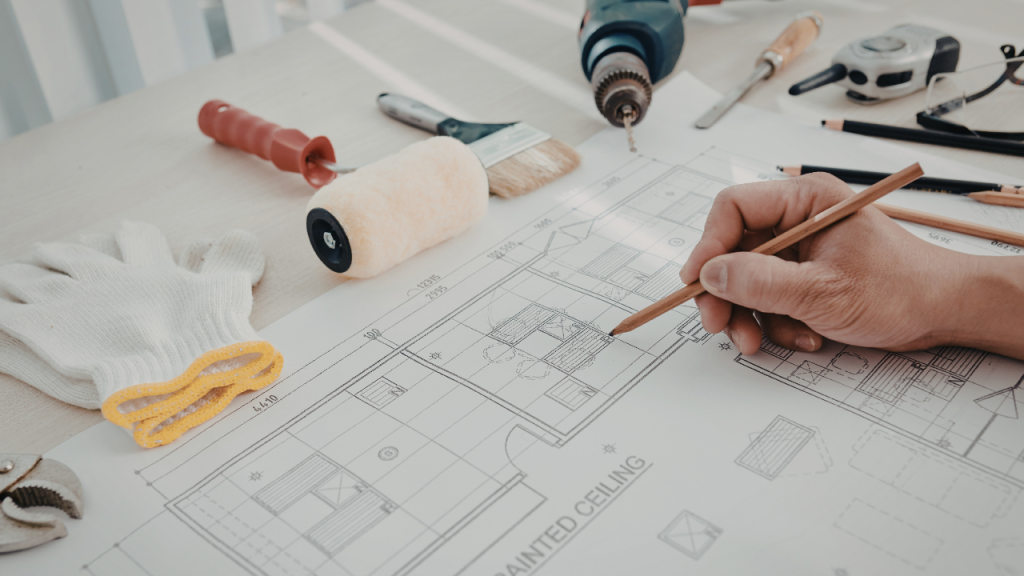
Before signing any agreement to buy or renovate an older Irish home, check the planning history and confirm the property complies with current Building Regulations.
What You Can Do Without Permission
Some minor works are classed as exempted development and do not need planning permission. These are generally internal improvements that do not affect load-bearing walls, the external appearance, or the footprint of the house. Examples include redecorating, replacing flooring, upgrading fixtures and fittings, and installing modern lighting or heating.
These still have to meet Building Regulations, exempt from planning permission is not the same as exempt from building standards. The Citizens Information guide on planning permission for altering a house is a good starting point.
When Approval Is Essential
Anything structural, external, or that changes the shape of the house will almost certainly need planning permission. Typical examples include altering or removing structural walls, chimneys or roofs, adding extensions, converting an attic into living space, changing window or door positions, and building outbuildings.
Older homes in heritage areas, or classified as protected structures, attract much stricter oversight. For a protected structure, even minor changes to external elevations, and often interior features, can require approval. This is a critical check before purchase, because protected status significantly affects what you can do and what it will cost. Confirm the property’s status with the local authority before you commit.
Restoring Older Irish Homes with Care and Character
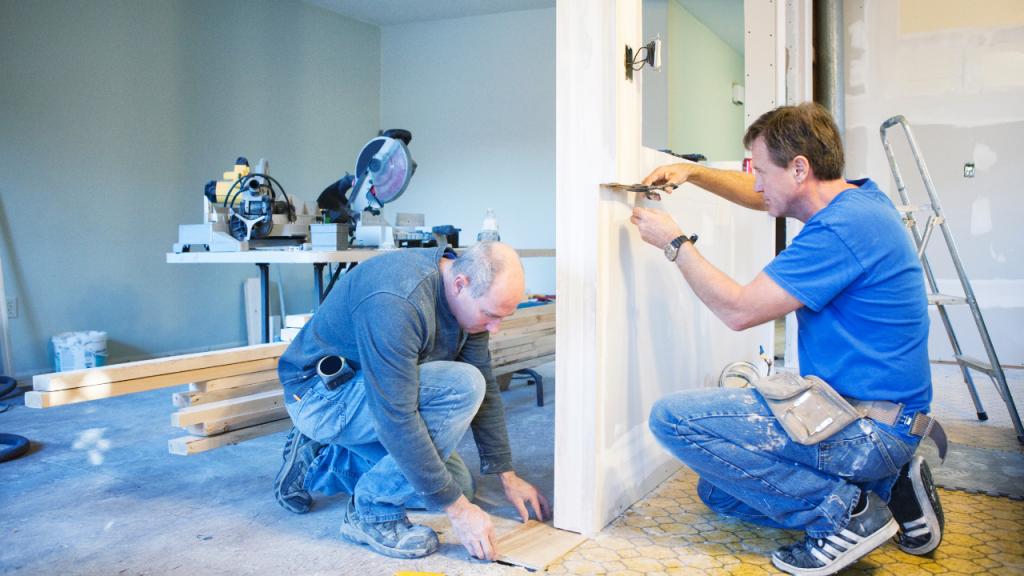
Restoring older Irish homes means preserving their history while creating lasting comfort for future generations.
Know What You’re Working With
Older Irish homes were often built with traditional materials and techniques that behave differently from modern construction, particularly around moisture, breathability and thermal performance.
A full structural survey before you buy or renovate is essential. It will identify issues such as subsidence or foundation weakness, damp and rot, decayed timber, and outdated or unsafe wiring and plumbing. A survey also tells you what to tackle first, which is what a realistic renovation plan is built on.
The Importance of Appropriate Materials
Traditional Irish homes were commonly built with stone, lime mortar and timber. These materials let the building breathe, moving moisture out rather than trapping it. Replacing them with modern cement-based materials can cause damp and decay, because it traps the moisture the original structure was designed to release. Lime plaster and breathable insulation keep an older building healthy. This is one area where using the wrong product costs more than it saves.
Energy Efficiency Upgrades
Many older homes are cold and expensive to heat: thick uninsulated walls, single-glazed windows and dated heating systems. A renovation is the natural moment to fix this.
Upgrades worth considering include wall insulation, double-glazed or draught-proofed windows, an efficient modern heating system, and appropriate roof insulation. Crucially, many of these qualify for SEAI grants under the Better Energy Homes scheme, provided the home was built before 2011 and the work is done by an SEAI-registered contractor. Qualifying renovation work may also be eligible for tax relief through the Home Renovation Incentive. It is worth checking what you can claim before finalising the budget. For external wall insulation specifically, our guide to external wall insulation costs in Dublin covers the current grant amounts.
How to Renovate Smart and Save Without Sacrifice
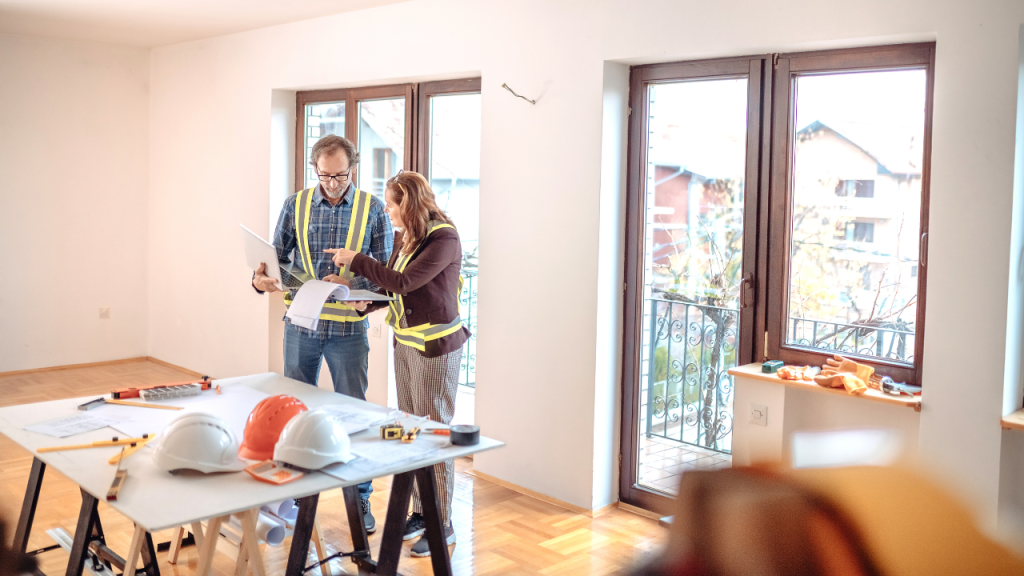
Renovating an older home is an investment, but careful planning keeps costs under control without compromising quality.
1. Plan Thoroughly Before You Begin
A realistic plan is your best defence against surprises. Research materials and costs, get at least three itemised quotes from contractors, set a realistic timeline, and include a contingency. For older properties a contingency of 10 to 15 per cent is the minimum, because hidden issues behind plaster and under floors are the norm, not the exception. Our guide on managing a renovation budget and avoiding unexpected costs sets out a structure you can use.
2. Choose the Right Materials for the Building
For an older home this is not simply about buying local. It is about using materials the building can tolerate, breathable, moisture-friendly products that suit traditional construction, and durable finishes that stand up to Irish damp and wind. The cheapest option often costs more over time.
3. Consider Phased Renovation
If the budget is tight, split the project into phases. Start with the essential structural work, insulation and weatherproofing. Move on to interior upgrades and finishes once those are done. Phasing spreads the cost and keeps the most important work first.
4. Professional Expertise Saves Money
Professionals add upfront cost but usually save money overall, because they catch problems early. An experienced surveyor, engineer and builder will spot the issues an older home hides before they become expensive. Construction work in Ireland is charged at the reduced VAT rate of 13.5%, which should be itemised in every quote you compare.
Renovation Mistakes to Avoid
Even with good planning, a few common errors undermine older-home renovations.
1. Failing to Secure Permissions
Assuming small changes do not need permission is one of the most common and costly mistakes. Always confirm with the local authority. Getting it wrong can mean fines, a stop-work order, or having to undo completed work.
2. Ignoring Structural Work
A new kitchen means nothing if the roof or foundations are failing. Tackle structural issues first, finishes last.
3. Choosing the Wrong Materials
Irish damp and wind demand durable, appropriate materials, and for older homes, breathable ones. The cheapest choice today often becomes the maintenance bill tomorrow.
4. Taking on Too Much DIY
Some work is fine to do yourself. Electrical work, plumbing and any structural modification are not, both for safety and because they are legally regulated. Electrical work must be done by a Safe Electric registered electrician. Knowing how to vet a contractor matters here too, our guide on the red flags to watch for when hiring a Dublin builder covers what to check.
Documents You’ll Need After Renovating
Once the work is done, proper documentation protects your investment.
1. Certificate of Compliance
Confirms the renovation meets Building Regulations. It can be required for insurance and for any future sale.
2. Building Energy Rating (BER) Certificate
A BER certificate shows the home’s energy performance and is legally required if you sell or rent. A renovation that improves the BER also improves the property’s value and appeal.
3. Updated Insurance Documentation
Tell your insurer about all substantial changes. Updated cover ensures the renovated property, and its increased value, is properly protected.
Conclusion
Renovating an older Irish home rewards careful preparation. The properties that turn out well are the ones where the buyer checked the survey, confirmed the planning and protected status, used materials the building could tolerate, and budgeted with a proper contingency. The ones that go wrong are almost always the ones where a step was skipped.
If you are buying or upgrading an older property in Dublin or the surrounding counties, contact Clarcon before you commit. We can advise on what the work realistically involves and provide a clear, itemised quote. Call 01 437 0645 or email info@clarcon.ie.