Starting a construction project can be exciting, but preparing the land before building often feels challenging. Hidden site issues like poor drainage, unstable soil, or missing permits can cause major setbacks. No one wants to face costly delays or safety concerns halfway through a project, which is why proper site development should never be overlooked.
Getting your site ready is a must before any construction begins. It ensures solid foundations, proper access, and compliance with Dublin’s strict planning and environmental standards. In a busy city where regulations and site conditions can vary greatly, careful preparation saves both time and money.
In this blog, we’ll explain what is construction site development in Dublin, what steps it involves, why it’s such an important stage of any construction project, and how you can make sure your site is fully ready for the building phase.
What is Construction?
Construction is the process of building or assembling structures such as houses, offices, roads, and infrastructure. It turns design concepts into real, functional spaces through careful planning, skilled labour, and the use of quality materials.
In Dublin, construction also involves meeting local building regulations, safety standards, and sustainability goals to ensure every project is durable. Simply put, construction is about reshaping ideas into solid developments that support how people live and work.
What is Construction Site Development in Dublin?
Construction site development in Dublin is one of the important preparations that gets land ready for building. It involves improving and equipping the site so construction can proceed safely and efficiently. Without proper development, a project can face serious issues such as permit delays, unexpected costs, or even legal setbacks.
From grading and drainage to utilities and access, this stage ensures the site meets all Dublin regulations and is fully ready for construction. In short, it is actually the groundwork that determines whether your project starts strong or struggles from the beginning.
What is the Construction Site Development Process in Dublin?
The construction site development process in Dublin consists of several crucial stages designed to prepare land for safe and compliant building. Each step ensures that the site is structurally sound, environmentally secure, and aligned with Irish building regulations.
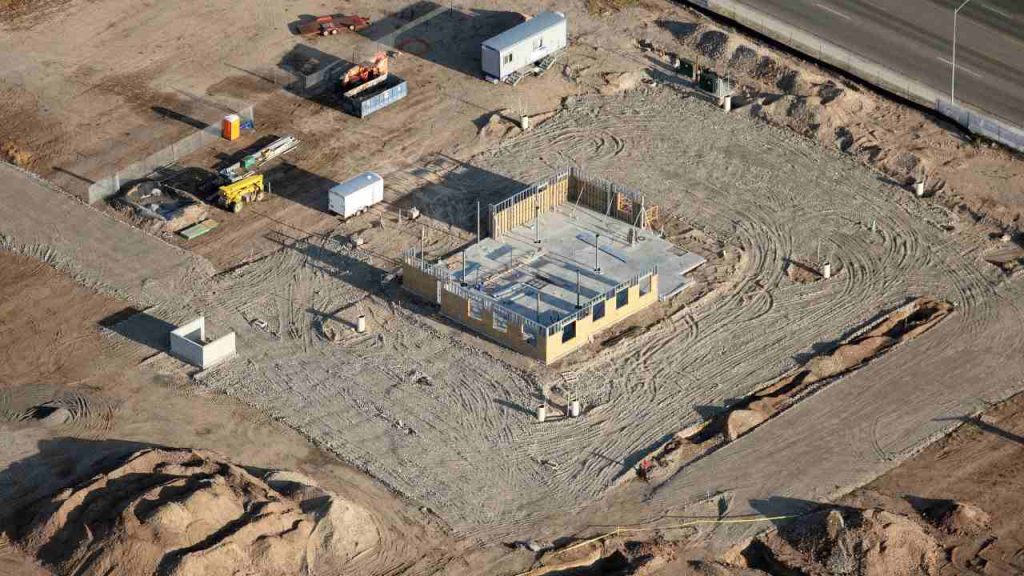
Site Surveying
Before any construction begins, a detailed site survey is conducted to establish the exact boundaries, levels, and alignment of the land. This process helps contractors verify the precise horizontal and vertical positioning of the planned structure.
Accurate surveying is essential in Dublin projects, as it ensures all works conform to local regulations and prevents future disputes or costly errors in layout and construction.
Soil Testing
Soil testing is a critical stage in the development process, focusing on analysing the soil’s composition, strength, and drainage capacity. This examination determines whether the ground can safely support the weight of the proposed building and handle Dublin’s weather conditions.
Apart from being best practice, soil testing is a legal requirement for construction site development in Ireland, ensuring safety, stability, and long-term structural strength.
Site Preparation
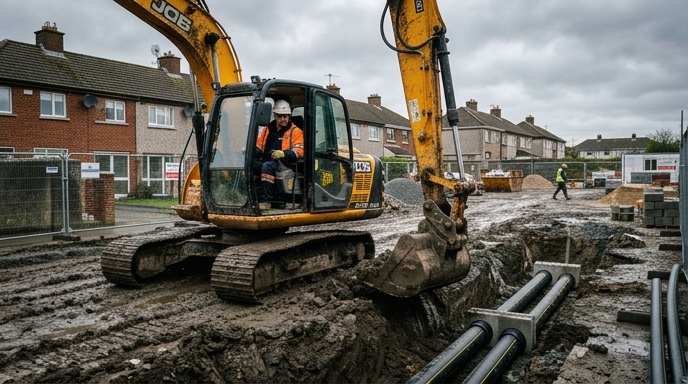
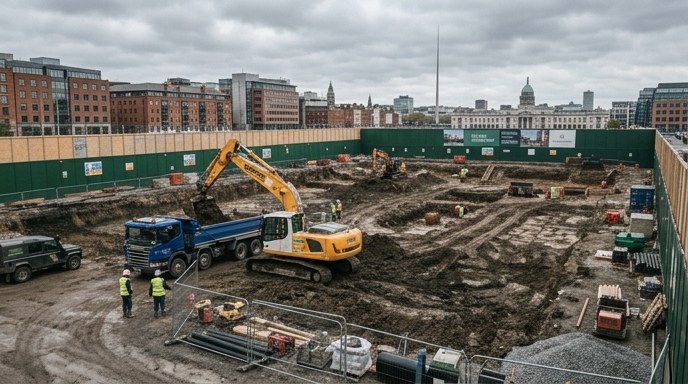
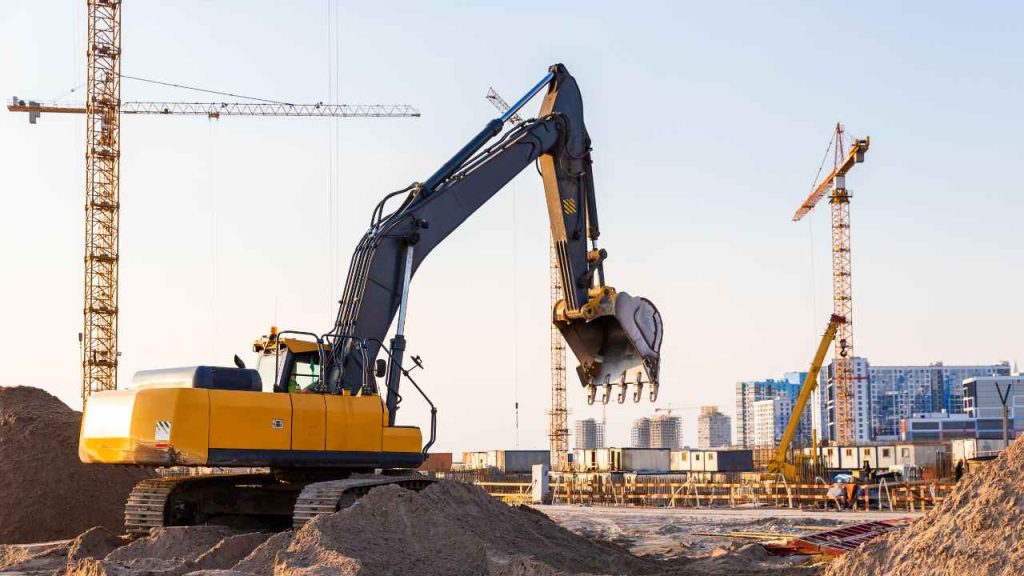
Once the soil is approved for construction, the next step is thorough site preparation. This includes clearing vegetation, removing trees, demolishing existing structures if necessary, and levelling the ground.
Any underground utilities that could obstruct progress are identified and addressed. Proper site preparation creates a clean, level, and accessible work area, reducing the risk of disruption once building begins.
Geological Assessment
A geological assessment provides a deeper understanding of the land’s characteristics. Geotechnical experts study the rock formations, groundwater levels, and subsurface stability to determine the best foundation design for the project.
In Dublin, where geological conditions can vary widely, this step helps prevent future settlement issues and ensures the site is suitable for the proposed development.
Development of Site Layout
After completing surveys, testing, and assessments, the project team develops a detailed site layout, often referred to as a plot plan or blueprint. This document visually maps out the entire site, showing the location of buildings, access roads, drainage systems, and underground utilities.
The site layout confirms compliance with government building codes and Dublin planning regulations, serving as a key reference throughout construction and for any future expansions or modifications.
What Does a Site Plan Consist Of?
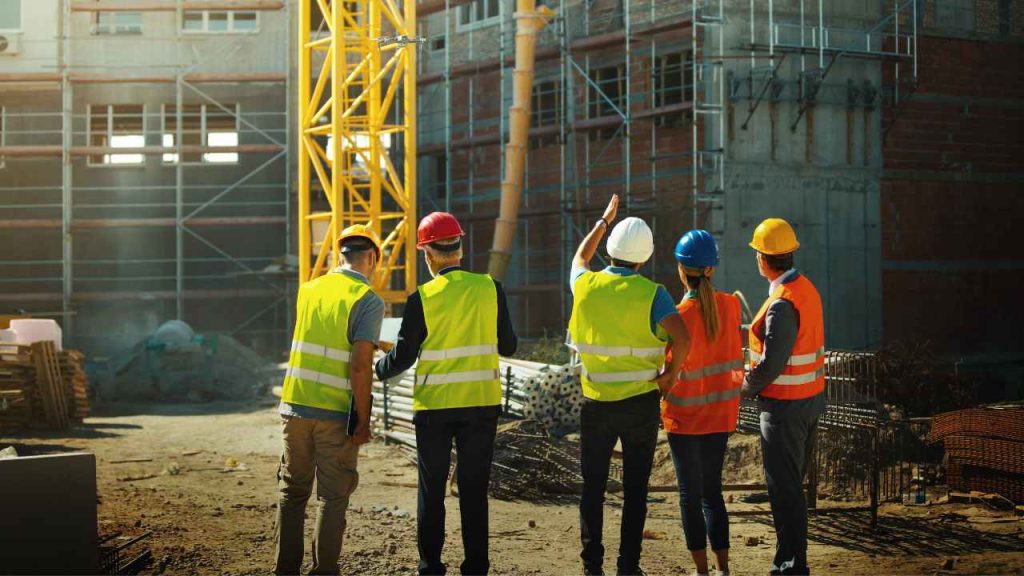
A site plan outlines all the essential details needed to guide and manage a construction project effectively. While the contents can vary depending on the type and scale of the project, most site plans generally include the following:
- Your contact information
- Key measurements and dimensions
- Boundary lines of the property
- Location details of the site
- Important materials to be used
- Existing and proposed structures
How Do You Read a Site Plan?
Knowing how to read a site plan is essential for everyone involved in a construction project. It acts as a roadmap that guides you through the entire process, showing all proposed features, layouts, and developments. Here’s how to understand each part of a site plan:
Cover Page
The cover page works like the front page of a book, providing an overview of the project’s concept and visuals. It introduces the site plan, offering a quick snapshot of what the project will look like once completed.
Title Block
The title block is similar to an identification card for the project. It includes vital details such as the project’s name, designer, creation date, and drawing scale. You’ll also find contact information for the architect or engineer responsible for the plan.
Revision Block
The revision block records any updates or changes made to the original site plan. It lists the modification dates and brief descriptions, helping everyone stay up to date with the most recent version of the drawings.
Drawing Scale
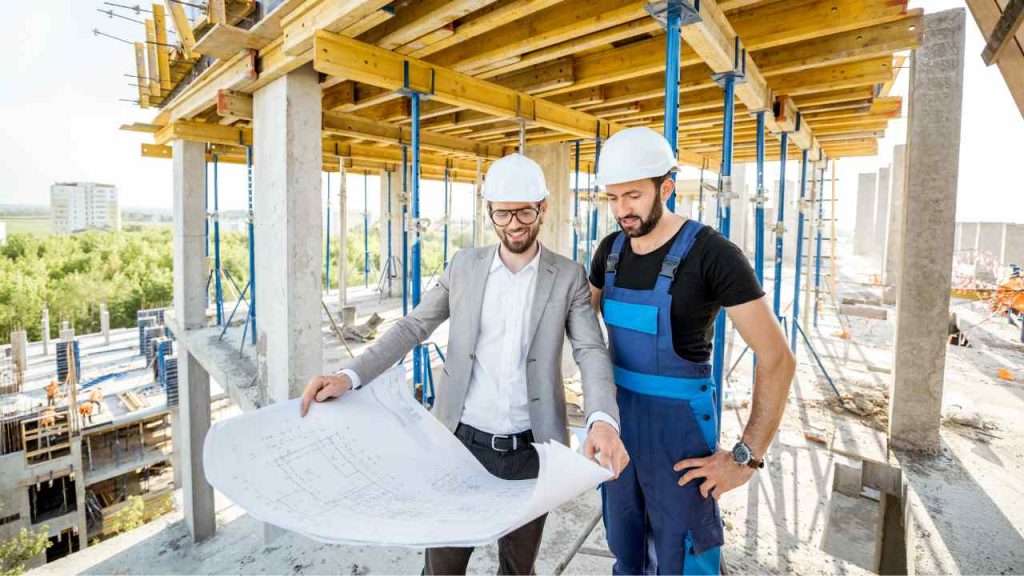
The drawing scale shows how the measurements on the plan relate to the real-world dimensions. It allows builders to understand the actual size of structures and distances when interpreting the scaled-down version of the project.
Key Notes
Key notes provide additional explanations about specific areas or details on the plan. These notes help clarify elements that might not be immediately obvious from the drawings alone, ensuring accurate interpretation by everyone involved.
General Notes
This section includes important technical details that apply to the entire site plan, such as construction materials, methods, or specific requirements. It ensures consistency and compliance across all stages of the project.
Legend
If you’re not familiar with construction symbols, this part is your guide. It explains what each symbol represents, making it much easier to understand the visual language of the site plan, especially for those new to construction documentation.
Conclusion
Construction site development plays a vital role in ensuring every building project begins on a solid foundation. From surveying and soil testing to site preparation, geological assessments, and layout planning, each step helps create a safe, compliant, and construction-ready site. Proper development also prevents costly delays, strengthens project stability, and ensures your build meets Dublin’s strict regulations while running efficiently from start to finish.
We provide expert site development services customised to meet Dublin’s unique construction needs. Contact Clarcon Construction to discuss your project, request a detailed consultation, or get a quote for your upcoming development.