Unexpected costs during commercial development can catch even the most experienced investors off guard. Early-stage expenses like land preparation, groundwork, and permits can quickly escalate, and ignoring them is not an option if you want your project to stay on track.
This is where expert guidance becomes essential because commercial site development in Dublin can vary widely in cost, and understanding these figures upfront helps you avoid expensive surprises later. Site development is a vital stage that shapes your project’s overall success, from securing the land to connecting essential utilities.
With rising construction costs and strict local regulations, having a clear picture of your potential expenses is more important than ever. In this blog, we will explore what the cost of commercial site development in Dublin is, the key factors that influence pricing, and how to plan your budget effectively.
What is Commercial Site Development?
Commercial site development refers to the entire process of preparing a piece of land for business or industrial use. It involves transforming an undeveloped or underused site into a fully functional area ready for construction and future operations.
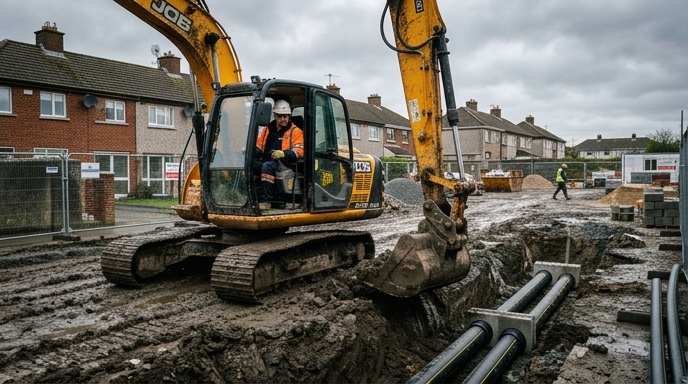
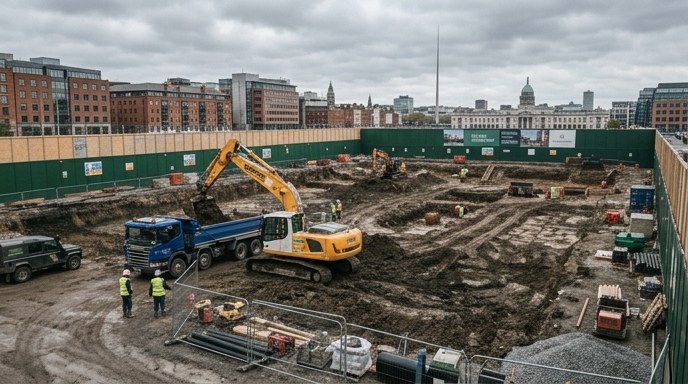
This process includes several critical stages, such as land clearing, excavation, grading, utility installation, drainage planning, road access, and compliance with planning regulations. In Dublin, commercial site development often requires collaboration between architects, engineers, contractors, and local authorities to ensure all environmental and structural standards are met.
Whether the goal is to build an office complex, retail park, or warehouse facility, site development lays the foundation for safe, efficient, and sustainable construction. Essentially, it is the first and most crucial step toward turning a vision into a successful commercial property.
What is the Cost of Commercial Development in Dublin?
The cost of commercial site development in Dublin can vary greatly depending on the project’s scale, type, location, and overall design specifications. In general, developments in the city centre command higher costs due to limited space, complex logistics, and higher demand for premium finishes.
For instance, shell and core office developments typically range from €3,400 to €4,000 per square metre, reflecting the quality and complexity of modern office builds. Meanwhile, high-tech industrial units or warehouses with integrated office spaces are more cost-efficient, usually falling between €850 and €1,250 per square metre.
If a complete office fit-out is required, developers should anticipate an additional €2,200 to €3,000 per square metre. These figures highlight the importance of early budgeting and professional cost management when planning commercial projects in Dublin.
What Factors Influence the Cost of Commercial Site Development in Dublin?
Several factors determine how much a commercial site development project will cost in Dublin. Understanding them helps developers and investors plan budgets with greater confidence and control.
1. Location and Land Conditions
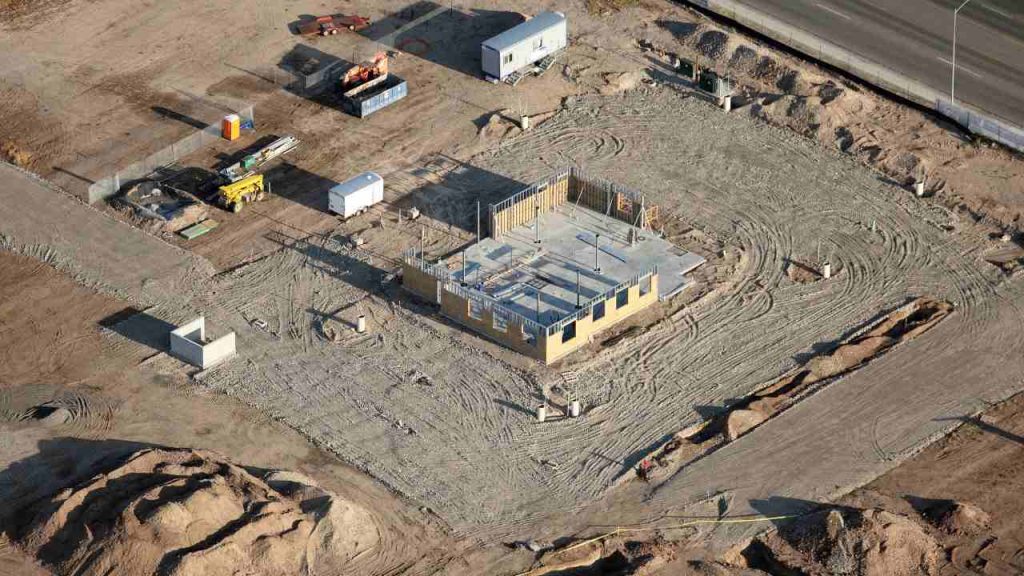
The location of a site has a major impact on cost. City centre plots are more expensive due to higher land values and limited access, while suburban sites may require additional infrastructure.
Soil quality, drainage, and contamination issues can also increase site preparation expenses and should always be assessed early.
2. Project Type and Design Complexity
The type and complexity of the project directly affect costs. Multi-storey buildings and mixed-use developments need more materials, time, and engineering than simple warehouses.
Architectural design, building height, and interior layout also contribute to pricing. Choosing efficient and practical designs can significantly reduce unnecessary spending while maintaining build quality.
3. Materials, Labour, and Market Conditions
Material prices and labour availability are among the biggest cost drivers. Shortages, high demand, or supply chain delays can quickly push budgets higher.
The choice of materials, from steel to finishes, also matters. Partnering with experienced contractors and purchasing early helps control expenses and reduces the impact of market fluctuations.
4. Regulations, Permits, and Sustainability Standards
All commercial developments must meet Dublin’s local planning, safety, and environmental regulations. Securing approvals and complying with building codes can increase costs and extend timelines.
Projects using sustainable construction methods or energy-efficient systems may have higher upfront costs but can lower operational expenses. Early compliance avoids delays and unexpected fees.
How to Estimate the Total Cost of Commercial Site Development in Dublin?
Estimating the total cost of commercial site development in Dublin involves understanding each stage of expenditure and planning ahead to manage them effectively.
1. Assess Land and Site Preparation Costs
Start by calculating land purchase costs and evaluating site readiness. Expenses may include clearing, excavation, levelling, and solving drainage or contamination issues.
Urban sites might also require demolition or restricted access solutions. Conducting a professional site survey ensures accurate budgeting and helps avoid costly surprises later.
2. Calculate Construction and Material Expenses
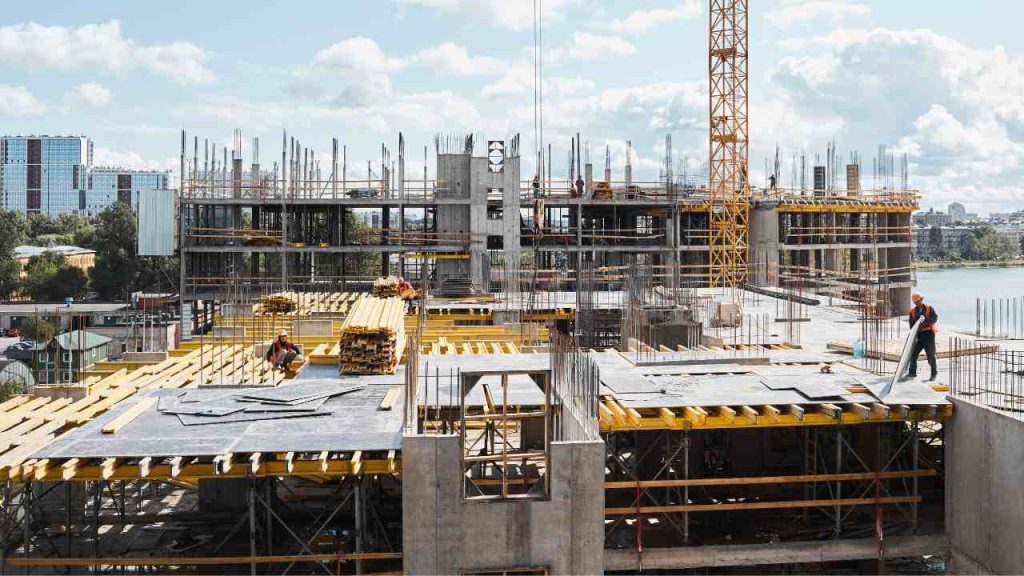
Building costs depend on project size, structure type, and specification level. High-end offices cost more per square metre than industrial units.
Use current Dublin cost data and include an allowance for future material price changes. This approach provides a realistic estimate and protects against sudden cost increases during construction.
3. Include Professional Fees and Permit Charges
Professional services can make up a significant share of the budget. Factor in architects, engineers, project managers, and quantity surveyors, along with permit and planning fees.
Keeping these costs transparent from the start ensures smoother approvals and better financial management throughout the project lifecycle.
4. Add Contingency and Inflation Allowances
Every project should include a contingency allowance to handle unexpected expenses or design changes. Setting aside around 10 to 15 percent of the total budget is generally wise.
Inflation in materials or labour can also affect long-term builds, so review costs regularly to maintain financial stability and prevent overruns.
Conclusion
The cost of commercial site development in Dublin depends on several important factors, such as location, design, materials, labour, and regulatory requirements. Careful planning and accurate cost estimation can make a significant difference in achieving a smooth, cost-effective, and timely project. By addressing these elements early and working with the right professionals, developers can minimise risks and maximise project value.
For expert guidance, transparent pricing, and dependable project delivery, partner with Clarcon Construction. Our experienced team provides complete site development solutions across Dublin. Contact us today to discuss your project and receive a detailed cost consultation.