 Skip to content

Renovating your home is an exciting chance to improve comfort, value, and everyday living, but managing the financial side can feel challenging without the right guidance.
Understanding how to manage your renovation budget and avoid unexpected costs in Ireland gives you a strong starting point before any work begins. Managing your renovation budget in Ireland starts with clear planning, accurate cost estimates, and a realistic contingency fund. Get multiple quotes, understand material and labour pricing, and prioritise essential work. Track spending closely and stay in regular contact with contractors to avoid surprises. Being prepared helps prevent overspending and keeps your renovation on schedule.
In this blog, we will walk you through practical steps that help keep your project running smoothly from start to finish.
Let’s start!
Why Is Budgeting Your Renovation Costs So Important?
Planning your renovation budget early helps you stay organised and prevents your project from drifting into unnecessary spending. It gives you a clear view of what you can afford, and this allows you to prioritise key areas and make informed decisions.
A solid budget also reduces the risk of unexpected costs, as you know what to expect at each stage. With a structured approach, your renovation becomes far more manageable, efficient and financially balanced.
What Are The Smart Ways to Plan Your Renovation Budget in Ireland?
Here are the practical steps that keep a renovation budget under control.
1. Get Proper Guidance Before You Begin
Speaking to an expert can help you understand how to divide your budget sensibly. Friends and family may mean well, but they might not be able to give objective advice.
A trained professional can explain where investment matters most and what areas can be simplified.
2. Be Open About What You Can Spend
Being clear about your budget from the start helps everyone involved make realistic suggestions. Without knowing your limit, professionals may struggle to guide you properly.
When they understand the amount available, they can help you prioritise different parts of the project.
3. Understand How Different Fees Work

Every architect or consultant will have their own structure for how they charge. Knowing whether fees are fixed or based on a percentage helps you plan ahead.
Remember to allow for other specialists too, such as engineers or surveyors.
For a fuller breakdown of what a project actually costs, see our guide to house renovation costs in Ireland.
4. Check Exactly What’s Included in the Quote
Contractors do not always include every item in the main price, especially things like fittings or finishes. Pricing documents often include provisional allowances that are only estimates, not final totals.
Reviewing these carefully helps prevent surprise expenses later on.
5. Consider Extra Costs Outside the Build
Some expenses sit outside the contractor’s direct quote but still affect your overall budget. Planning applications, for example, come with their own fees depending on the type of work. These small additions can grow fast, so it’s good to account for them early.
Separating genuine unknowns from optional upgrades helps here, our guide on budgeting for unexpected costs in construction explains how.
6. Avoid Changing Things Once Work Starts
Adjusting your plans midway through the project nearly always increases the cost. Builders may not have priced for new materials or extra labour, which can push you over budget.
Taking time to finalise decisions before work begins reduces the need for sudden changes. Careful preparation at the start helps keep the whole project steady.
7. Compare Prices From Different Suppliers

Items not covered in the main contractor’s price can vary widely between suppliers. Getting several quotes ensures you understand the true range of costs.
Make sure each supplier works from the same information so the comparisons are fair. Even small differences in details can affect the final price you’re given.
8. Keep a Possible Fund Ready
Even well-planned projects can uncover issues that weren’t visible at the start. Setting aside 10 to 15% as a contingency is sensible, and older properties usually need the higher end.
Planning for this from the beginning keeps the project stable if problems arise.
What Are The Easy Ways to Avoid Unexpected Renovation Costs in Ireland?
A few smart choices can help you finish your project to a high standard without stretching your budget too far.
1. Mix Different Types of Materials
Blending a couple of standout, high-quality pieces with more affordable options can give your home a stylish feel without overspending.
This approach lets you place your money where it really counts while keeping the rest practical.
2. Take One Small Task Yourself
There are small jobs, such as painting or putting flat-pack furniture together, that you can handle without specialist help.
Even completing a few simple tasks can make a noticeable difference to your overall spend.
3. Put Money Into the Essentials
Some elements of a renovation, like insulation, heating systems, plumbing and durable windows, are worth prioritising. Focusing on long-term value ensures your budget supports both comfort and efficiency.
Upgrades such as external wall insulation can also qualify for SEAI grants.
4.Refresh Instead of Replacing
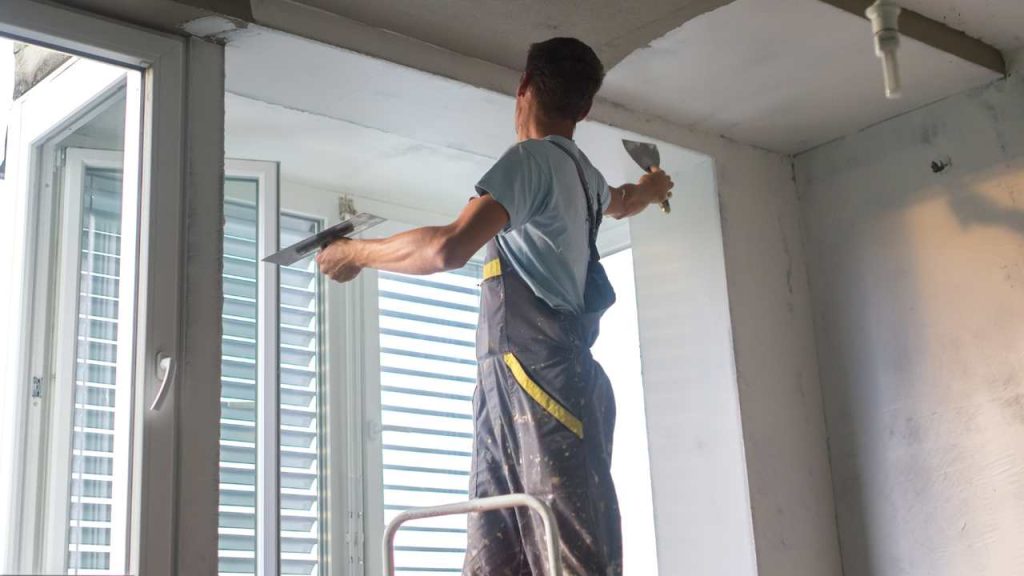
Many existing features can be restored rather than removed, which often costs far less. Items like doors, floors or fireplaces can look completely new with a bit of care and refurbishment.
This approach reduces waste while still giving your space a strong visual upgrade.
5. Search for Good Deals
Prices for fixtures and materials can vary widely, so it’s worth comparing different suppliers. High-street retailers and reclaimed-material shops often have affordable finds that still look great.
6. Be Open About Your Spending Limit
Letting your architect or designer know your true budget helps them guide you properly. When they understand your limits, they can suggest alternatives that fit both your style and your finances.
Conclusion
Managing a renovation budget doesn’t need to feel overwhelming. By getting the right advice early, being clear about what you can spend, understanding fees, checking what’s included, planning for extras, sticking to your decisions, comparing suppliers and keeping a small possibility, you can keep your project on track and avoid unwanted surprises. Careful preparation gives you more control and helps your money go further throughout the process.
If you’re ready to start your renovation and want expert support from a team that understands Irish homes and budgets, get in touch with Clarcon today. They can guide you through every stage and help you make confident, cost-effective decisions.


