Skip to content
A home extension should make daily living easier: more room, a layout that works, and a house that feels calmer. In Ireland, extensions can go sideways when early decisions are rushed. That’s when costs creep, timelines slip, and the finished space doesn’t quite match the plan.
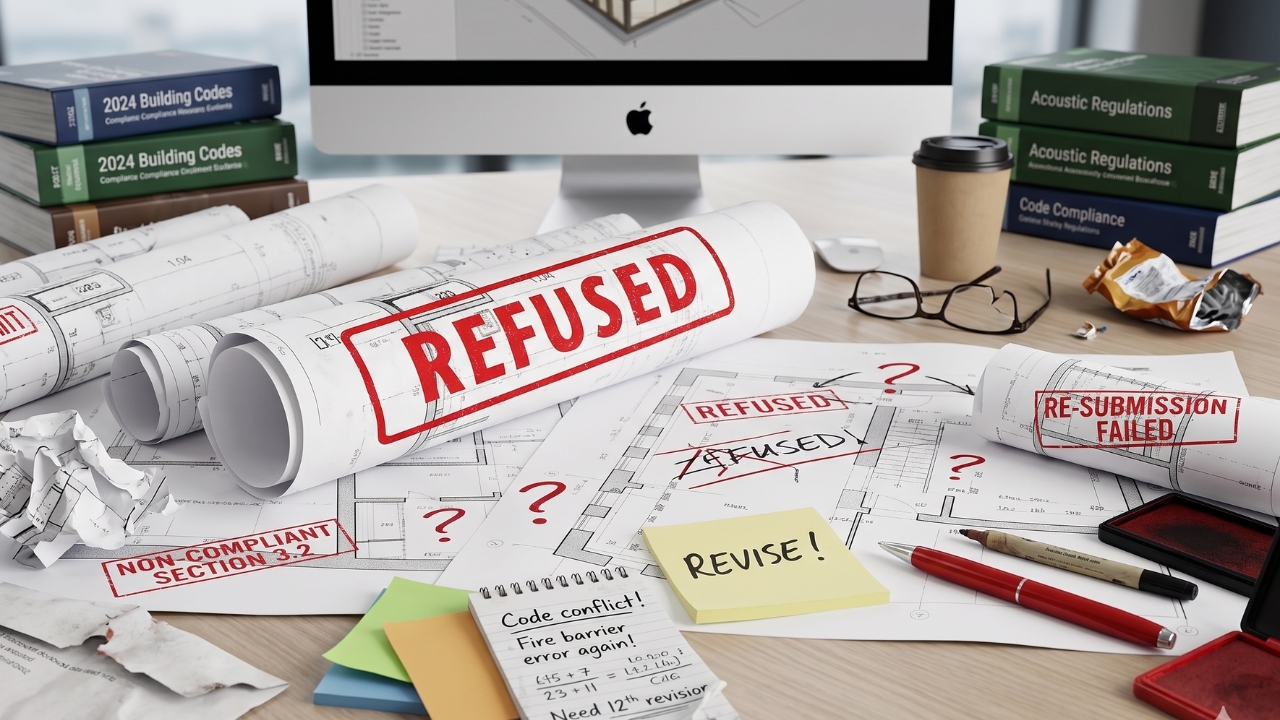
The biggest mistakes are starting with a fuzzy brief, assuming planning is “all good”, pricing off light drawings, under-allowing for the not-so-glamorous parts of the job, picking a builder on price alone, and making last-minute tweaks mid-build. Check permission early, lock in detailed plans and finishes, agree on a written scope and payment stages, and stick to decisions once work starts.
Below are 10 common mistakes, plus the practical fixes that keep an extension moving in the right direction.
TL;DR
- Check planning and building rules early, before you pay for final drawings.
- Don’t accept a quote based on sketches; detail keeps costs steadier.
- Budget for drainage, electrics, heating and finishes, not just blockwork and a roof.
- Choose a builder with a clear process and similar jobs done.
- Treat mid-build tweaks as paid variations with written sign-off.
Mistake #1: Starting With A Vague Brief
“An extra room out the back” sounds fine until you’re arguing about sockets, storage, and how the old part connects into the new.
Before anyone prices anything, write a short brief that covers what the space is for, what matters most (light, storage, access), and what you can compromise on. A clear brief makes drawings sharper and keeps everyone working towards the same finish.
Getting the brief right is the first step of a wider process. Our guide on how to plan a house extension properly walks through every stage.
Mistake #2: Assuming Planning Permission Won’t Apply
Sometimes you can extend without permission, sometimes you can’t, and previous extensions can affect what’s allowed now.
If you’re unsure, check with your local authority or your designer before you commit to a layout. Citizens Information has a good guide on planning permission for altering a house, and it’s worth reading early so you know what questions to ask.
Even where permission isn’t needed, the work still has to meet building rules. Treat it as a separate check.

Mistake #3: Ignoring How The Extension Connects To The Garden And Outdoor Space
It is easy to focus entirely on the new internal rooms and forget what happens where the extension meets the garden.
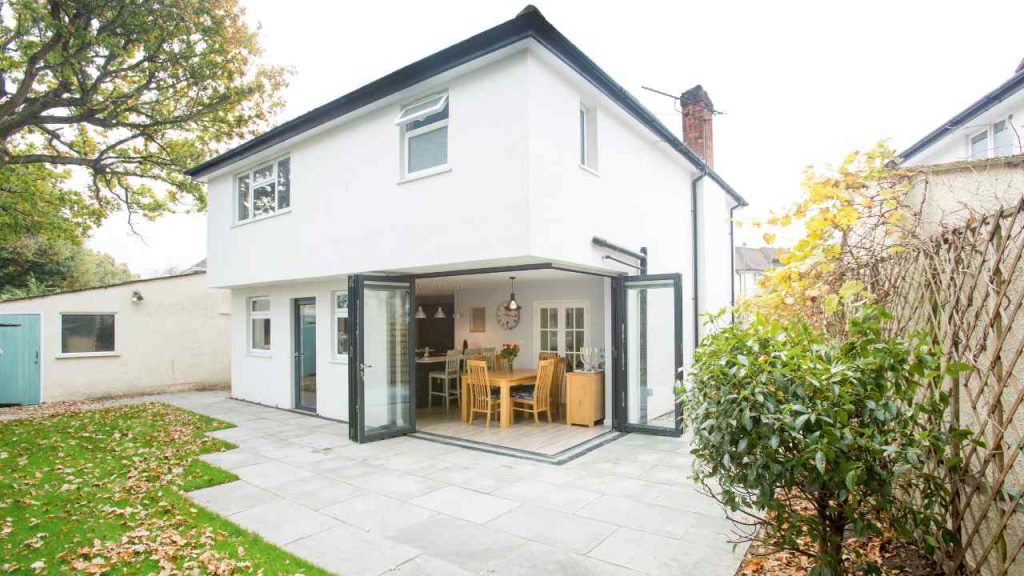
A rear extension changes how you reach and use your outdoor space, where light falls in the garden, and how much usable garden is left. Plan the threshold early: door type and position, level access if you want it, drainage at the junction with the garden, and how the remaining outdoor space will actually be used. An extension that wins a bigger kitchen but leaves an awkward, dark or unusable garden is a poor trade. Treat the inside and the outside as one design, not two.
Mistake #4: Pricing Off Rough Sketches
If a builder is asked to price from a basic layout with very little detail, you’ll get a best guess. When the detail arrives, the price moves.
To get a quote you can rely on, plans need to show structural openings and steels, window/door sizes, services routes, and finish allowances. Itemised pricing also makes it easier to compare like with like rather than chasing a headline figure.
Mistake #5: Forgetting The Less Obvious Parts Of The Job
People budget for new walls and a roof, then get caught by everything that sits around the extension.
Common cost traps include drainage alterations, electrical upgrades, heating alterations, making good the existing rooms, and finishing items like flooring, paint and joinery. Clarcon’s guide on managing a renovation budget and avoiding unexpected costs is a solid reference, and it points out where homeowners usually under-allow.
Mistake #6: Not Leaving A Contingency
Every house has surprises, especially once walls and floors are opened up.

A contingency is for unknowns like damp behind plaster, soft timbers, odd foundations, or extra repair work around older drains. Without a buffer, any surprise becomes a row; with one, you’ve options.
Mistake #7: Picking A Builder Too Quickly
The wrong builder can turn a simple extension into an endless slog.
Look for similar jobs completed, a written scope that matches drawings, clear payment stages tied to progress, a named site contact, and insurance in place. For a practical checklist, Clarcon’s post on what to ask before hiring a building contractor in Dublin is worth a read, and it can save you expensive lessons.
Mistake #8: Designing A Space That Feels Wrong
You can add space and still end up with a room you don’t enjoy using.
This happens when daylight is blocked to older rooms, the connection between old and new feels awkward, or storage is ignored. Good design is about light and flow as much as square metres.
Mistake #9: Treating Comfort And Running Costs As “Later”
When walls and floors are already being opened, it’s often the best moment to make the house warmer and easier to heat.
Think about insulation levels, airtightness around openings, ventilation so moisture doesn’t build up, and heating controls so the new area doesn’t overheat. If you’re weighing up external insulation during wider works, Clarcon’s breakdown of external wall insulation costs in Dublin gives context, and it also frames the questions to put to your contractor.
Mistake #10: Making Mid-Build Tweaks With No Written Sign-Off
A late tweak can mean re-ordering materials, re-doing work, and knocking trades out of sequence. That’s where time slips and labour costs stack up.
Agree on a variation process before the job starts: how extras are priced, how they’re approved (in writing), and what they do to the programme. Treat each variation like a mini-job with a clear cost and impact.
Conclusion
Most extension stress comes from uncertainty: unclear scope, unclear paperwork, unclear pricing, and unclear decision-making. Get those right early and the build tends to run far more smoothly.
If you’re planning a home extension in Dublin or nearby, Clarcon can price the work with a clear breakdown and manage the build with one point of contact. Call 01 437 0645 or email info@clarcon.ie to Get Free Quote, and you’ll get straight answers before the messy part begins.