Skip to content
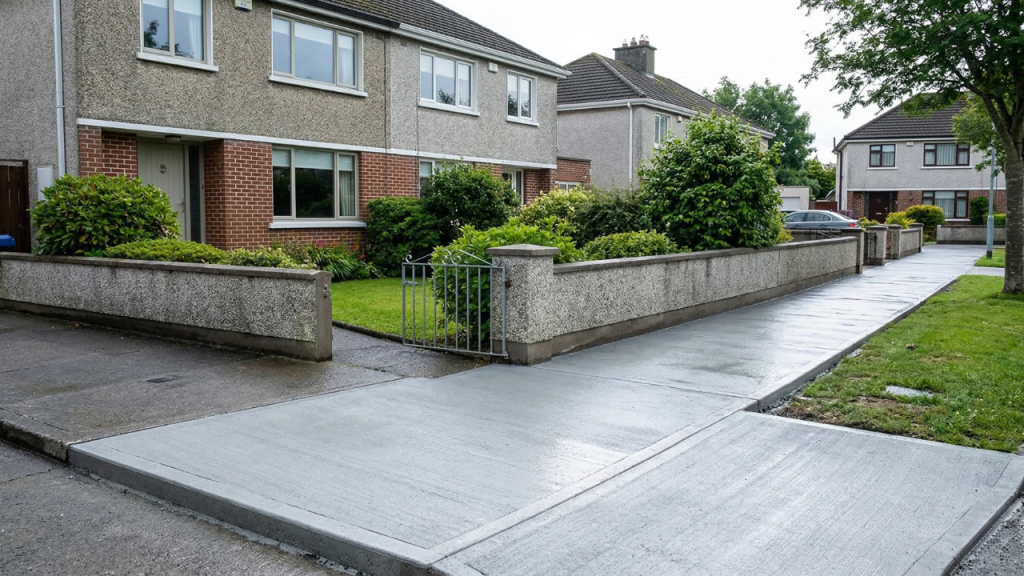
Cracked, sunken or trip-hazard footpaths are one of the most common problems homeowners and property managers deal with across Dublin. Whether it’s tree root damage along a suburban estate or years of wear on an older path, the question people ask first is always the same. How much will it actually cost to sort it out?
For a standard concrete footpath replacement in Dublin, most homeowners can expect to pay somewhere between €60 and €120 per square metre, depending on the material, ground conditions and access. A typical residential footpath of around 20 to 30 square metres usually comes in between €1,500 and €3,500 all in. Tarmac paths sit at the lower end of that range, while block paving or specialist finishes push the price higher.
Those figures cover removal of the old surface, groundwork preparation, materials and labour. But the final number on your quote will depend on a few things that are worth understanding before you commit to anything, and that’s what this post covers.
What Affects Footpath Replacement Pricing in Dublin?
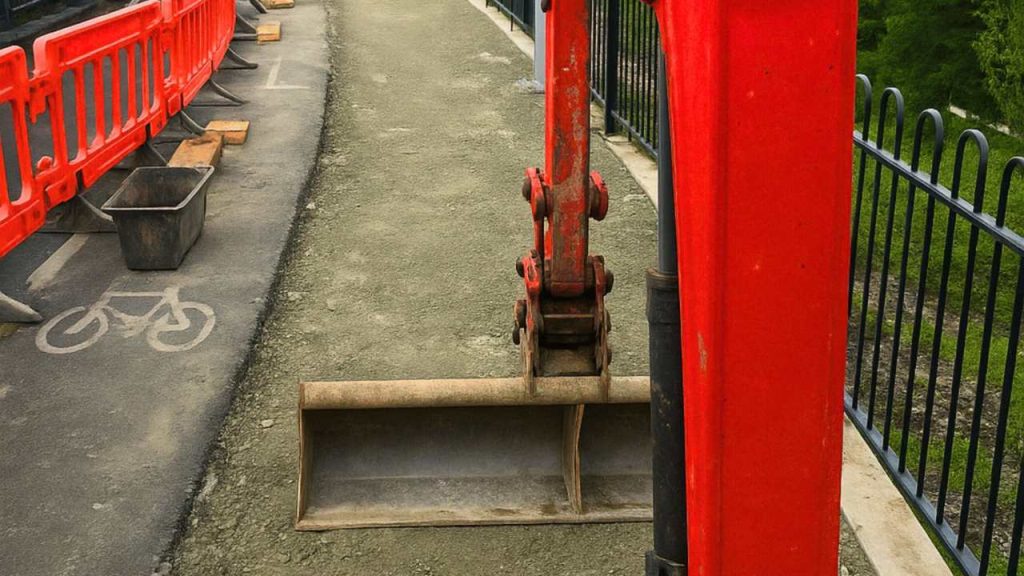
No two footpath jobs are exactly alike, which is why quotes can vary so much. If your existing path is in reasonable shape underneath, removal and prep will be quicker and cheaper. But if the sub-base has shifted or there’s poor drainage below, the groundwork alone can add a few hundred euro to the job.
Here are the main factors that move the price up or down:
- Size of the area (larger jobs often come in cheaper per square metre)
- Condition of the existing sub-base and whether full excavation is needed
- Material chosen (concrete, tarmac, block paving or flagstone)
- Access to the site, particularly if the machinery can’t get close
- Drainage requirements or utility runs beneath the path
- Skip hire and waste disposal for the old surface
Dublin labour rates tend to be higher than rural areas, so if you’ve seen lower prices quoted outside the city, that’s usually why. It’s also worth noting that if you’re planning groundwork for a wider project, bundling footpath replacement into the same contract can sometimes reduce overall costs through shared machinery and setup time.
How Much Do Different Footpath Materials Cost?
Material choice is one of the biggest drivers of cost. Each option has its own price band, lifespan and maintenance profile, so it’s worth weighing them up properly before deciding.
Concrete Footpaths
Poured concrete is the most common material for footpaths in Dublin. It’s durable, low-maintenance and suits most residential settings. Expect to pay around €60 to €95 per square metre installed. For a 25m² path, that works out at roughly €1,500 to €2,375.
Tarmac Footpaths
Tarmac is generally the cheapest option and works well for straightforward paths without a lot of shaping or edging. Prices typically sit between €50 and €80 per square metre. It’s a good fit for longer runs or paths that connect to a tarmac driveway.
Block Paving
Block paving gives a more finished look and comes in a range of colours and patterns. It sits at the higher end, usually between €65 and €120 per square metre depending on the type of block and whether kerbing is included. It’s popular for front paths where appearance matters.
Flagstone and natural stone options are available too, but they push the price above €100 per square metre and are more common for patios and feature areas than standard footpaths. Whatever material you’re leaning towards, a contractor with civil engineering experience will be better placed to advise on what suits your ground conditions and budget than someone who only lays driveways.
Should You Repair or Fully Replace a Footpath?
Not every damaged footpath needs a full strip-out. If the surface has light cracking or a small section has lifted, patching or localised repair might be enough. That kind of work might cost €200 to €600, depending on the area, and it can buy you a few more years before a full replacement is needed.
Full replacement makes more sense when the sub-base has failed, when there’s widespread cracking, or when the path has become a genuine trip hazard. Clarcon also carries out footpath replacement for local authorities, working to council specifications on public paths.
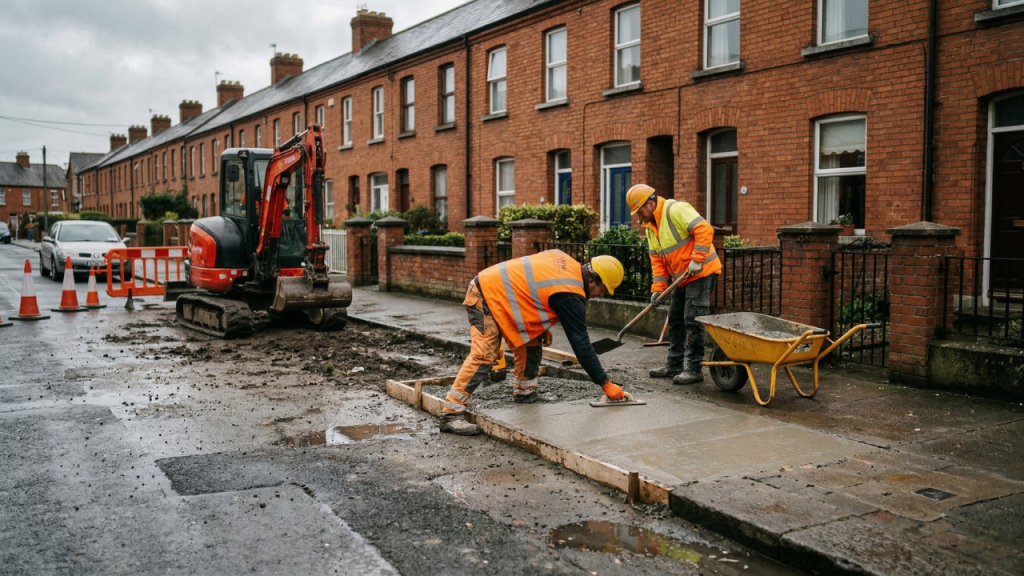
For private paths on your own property, getting a proper site assessment before committing to a full replacement is worth the time. A good contractor will tell you whether repair or replacement is the right call rather than pushing for the bigger job.
What About Public Footpath Contracts and Council Work?
Footpath replacement isn’t just a residential concern. Local authorities across Dublin run annual road and footpath repair programmes, and experienced civil contractors regularly carry out this work on behalf of councils. If you manage commercial property or a housing estate, the costs and processes work differently from a standard residential job.
Council footpath projects tend to follow strict specifications around material depth, kerb standards and accessibility requirements. Contractors bidding for this type of work need a track record in civil engineering and public sector delivery, not just residential paving experience. If you’re involved in site development or estate management and need footpath work done to local authority standards, it’s worth working with a contractor who already understands those requirements.
When Is It Worth Hiring a Professional Contractor?
For very small patch repairs, a capable DIYer with the right tools might manage. But for anything involving excavation, sub-base preparation, drainage or more than a few square metres of new surface, a professional contractor is the safer bet.
Poor groundwork is the number one reason footpaths fail early. If the sub-base isn’t properly compacted or drainage isn’t handled, you’ll be looking at cracks and sinking within a couple of years. A contractor who does both civil and building work, like Clarcon’s footpath replacement team, will approach it as an engineering job rather than just a cosmetic one, which means a longer-lasting result.
Before signing off on any quote, make sure it covers removal and disposal of the old path, full sub-base preparation, the new surface material and labour, edging or kerbing where needed, and any making good to adjacent areas. If a quote looks unusually cheap, check what’s been left out.
If you’re pricing footpath replacement anywhere in Dublin and want a clear, no-nonsense quote from a contractor with 17+ years of civil and building experience, get in touch with Clarcon. Call 01 437 0645 or fill in the online quote form and we’ll come out, assess the job and give you straight numbers.