If you’re pricing a renovation in Ireland, the numbers can feel all over the place. That’s usually because “renovation” can mean anything from a paint-and-floor refresh to rewiring the house and moving walls.
For a full-house renovation in Ireland, a common starting point is €1,500–€2,500 per m² for a standard finish. If you’re doing major structural work or going high-spec, budgets often land around €2,500–€4,000+ per m². In Dublin, it’s common to see €30,000 to €100,000+ for a full renovation, depending on the scope.
This post lays out Irish price bands, what pushes them up or down, and a quick way to rough out your own budget before you start getting quotes.
If you typed “house renovation cost ireland” into Google, these bands are what most homeowners are really asking for.
What Counts As A Renovation?
Most jobs sit in one of these buckets:
- Cosmetic refresh: painting, flooring, minor carpentry, lighting swaps.
- Mid-level upgrade: new kitchen or bathroom, some electrical or plumbing work, insulation, windows, and doors.
- Full renovation: multiple rooms, new wiring, new plumbing runs, plastering, structural alterations, and sometimes a full re-layout.
What Price Ranges Do Renovations Fall Into In Ireland?
Rather than pretending there’s one “average”, it’s cleaner to think in bands.
Full-House Renovation Cost Per Square Metre
A standard full-house renovation commonly lands in the €1,500–€2,500 per m² range. High-spec work and structural alterations often sit around €2,500–€4,000+ per m².
A quick sense-check is: floor area × your chosen band, then add a contingency.
Typical Room And Trade Costs
These are the areas that tend to set the pace:
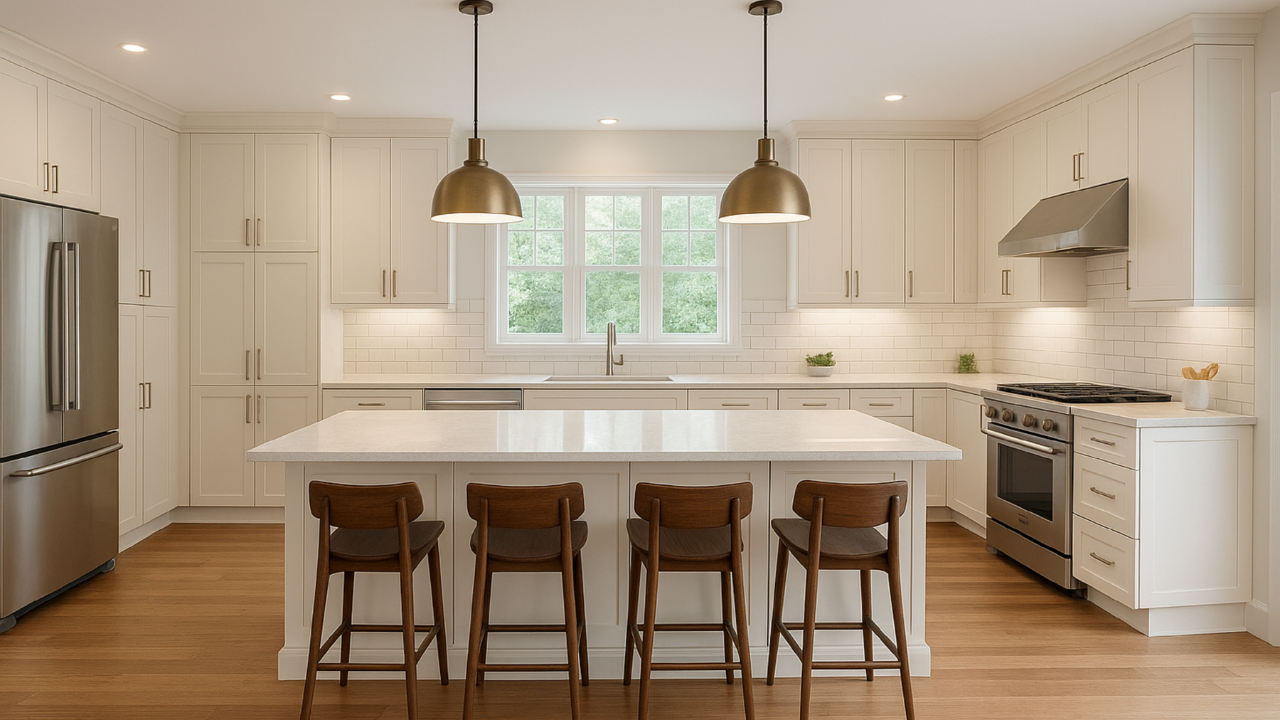
- Kitchen: roughly €10,000–€30,000 for many installs, with premium layouts and finishes pushing higher.
- Bathroom: roughly €5,000–€15,000, with wet rooms and fancy tiles lifting the spend.
- Rewiring: roughly €5,000–€10,000 for a typical house.
- Plumbing alterations: roughly €4,000–€10,000, depending on how much pipework is moving.
What Pushes The Cost Up Or Down?
A few things move the number more than everything else.
The Condition Of The House
Older houses can hide damp, rotten joists, outdated wiring, and shaky plumbing. You won’t always see it on day one, and it can add a lot once floors and walls are opened.
That’s where a survey and a tight scope pay off. Clarcon’s post on managing a renovation budget goes through setting money aside for the unknowns, and it’s worth a read before you commit to finishing.
Layout Changes And Structural Work
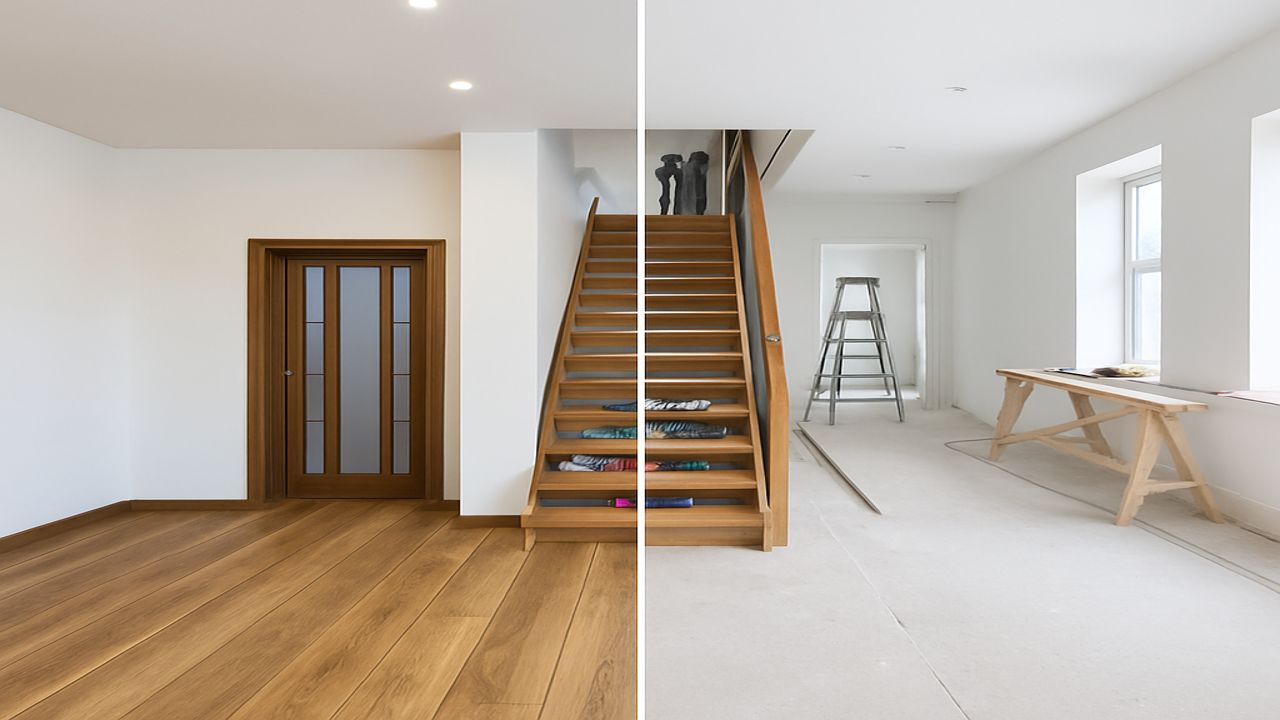
Moving walls, adding steel, changing window openings, or altering stairs will raise both labour and design costs. It can also trigger extra sign-off steps under building control, depending on the work.
Materials And Finishes
Two kitchens can look similar in photos but be miles apart in price once you get into carcasses, worktops, hardware, appliances, and tiling.
Pick a finish level early and stick to it. Swapping fittings mid-job is where budgets get messy.
VAT And What’s Included In The Quote
Construction services generally qualify for a reduced VAT rate, and Revenue’s guidance includes renovation and repair work under “construction services”. At the same time, some goods and supply-only items can sit at the standard rate.
So ask for an itemised breakdown, and ask which VAT rate is being applied to each line.
Do You Need Planning Permission For Renovations In Ireland?
A lot of internal work doesn’t need planning permission, but extensions and external alterations are different.
Citizens Information explains that an extension can be exempt only up to 40 m² in total, and that total includes any previous extensions. If you’re near that limit, check the rules at Citizens Information and then talk it through with whoever is preparing your plans, because a small measurement mistake can get expensive later.
Do You Need A Commencement Notice Or Assigned Certifier?
Building control is a separate track to planning.
For example, South Dublin County Council lists a “Commencement Notice with Compliance Documentation” for the construction of a dwelling, and for an extension to a domestic dwelling by more than 40 m², among other cases. Even if your job is outside the county, it’s a good prompt to ask early which building control route applies.
Can Grants Reduce Renovation Spend?
If part of your job is energy upgrades, grants can take the edge off.
SEAI’s individual grants include attic and wall insulation, with maximum grant amounts that vary by measure (for example, attic insulation up to €1,500 and wall insulation up to €8,000, depending on the option and the home). Check the current grant list on SEAI before you start stripping, because the paperwork and contractor rules can affect timing.
A Simple Budgeting Method That Works
- Write your scope in plain language. Room by room, list what’s being replaced and what stays.
- Pick a finish level. Basic, mid-range, or premium, and stick to it.
- Use a per-m² band for the “general build” part, then add the big-ticket rooms (kitchen, bathrooms) on top.
- Add design and sign-off costs if your job needs engineering input or building control paperwork.
- Add a contingency. Many homeowners keep 10–15% aside for surprises, especially in older houses.
If you want a sanity check on contractors, Clarcon’s post on what to ask before hiring a building contractor in Dublin is a handy list, and it still applies outside Dublin too.
Get A Free Quote
If you’re planning a renovation in Dublin or across Ireland and you want a clear price, Clarcon can price the job and run it with one point of contact from start to finish. Request a free quote through the website form, call 01 437 0645, or email info@clarcon.ie, and you’ll get straight numbers based on your house and scope.