Skip to content
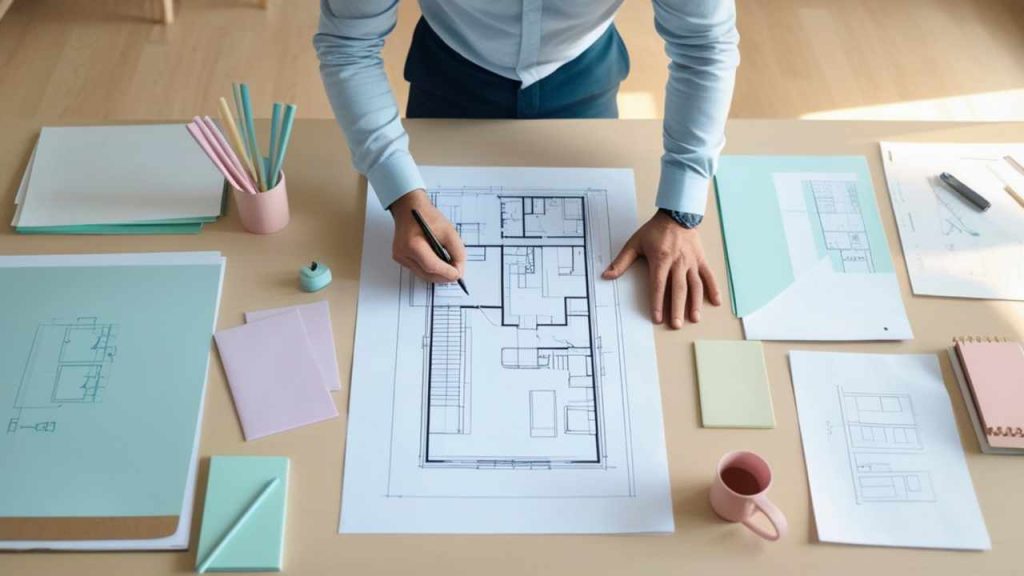
To plan a house extension in Ireland, start by being clear on what you want the new space to do and set a budget with a proper buffer for unknowns. You’ll often see broad online guidance, and as a realistic starting point a standard single-storey extension in Ireland sits around €1,900–€2,500 per sq m, with high-spec finishes higher, plus an allowance for unforeseen costs, but the real cost depends on specification, access, ground conditions, and your location, so treat that range as a starting point and confirm locally.
Next, check the planning route early (permission can be needed depending on size and impacts like light and overlooking), then bring in a designer to develop drawings that meet Building Regulations, including energy performance.
With proper drawings and a written specification, you can get like-for-like quotes, confirm lead times, sort any building control paperwork before work begins, and keep extras signed off in writing so the job doesn’t drift.
Do You Need Planning Permission For A House Extension In Ireland?
This is usually the first big question, because it affects both your timeline and what you can build.
A good starting point is the Citizens Information guide on planning permission for altering a house. You can read it here: planning permission for altering your house. It gives you a grounded overview, but you still need to confirm with your local authority because the details matter.
Planning permission is more likely when:
- The extension is large (and previous additions count too)
- You’re close to boundaries or adding height that affects neighbours
- Windows or balconies could cause overlooking
- The house is in an area with tighter restrictions (or is protected)
In Dublin, terrace and semi-d sites can be tight, so window positions, roof form, and overlooking tend to get scrutinised. It’s often not the footprint that causes trouble, it’s how the extension sits on the site.
What Should You Decide Before You Pay For Drawings?

You’ll save time (and fees) if you’re clear on the brief first.
Write down:
- What problem you’re solving (too-small kitchen, no utility, no downstairs WC, WFH space)
- Who uses the space and when (school mornings and evenings are a good test)
- Storage you’re missing now (nearly always the real pain point)
- What you’re not doing, to keep the plan honest
A handy exercise is to describe a normal weekday in your house now, then write the same day after the extension. It quickly highlights things like where bags pile up, where you always bump shoulders, or why the table blocks the main route through the house.
Who Do You Hire First: Designer, Engineer, Or Builder?
In most cases, start with the design side. That might be an architect or an architectural technologist, depending on the job. The key is choosing someone who does extensions regularly and can guide you through the planning route and layout decisions.
A structural engineer normally comes in once the layout direction is agreed, especially if you’re removing internal walls, widening openings, or dealing with older structures. If your house is older, allow for small checks before finalising details so you’re not making assumptions about what’s behind plaster.
When you begin speaking with builders, don’t rely on a quick chat and a sketch. If you want an itemised, comparable quote, you need drawings plus a written specification. Clarcon’s post on common house extension mistakes is worth reading because it shows how vague details lead to expensive surprises, and it gives you a clear sense of what to watch for.
How Do You Set A Budget That Won’t Drift?
Extensions go over budget most often because lots of small upgrades creep in, not because of one dramatic shock.
A practical way to plan is to split your budget into:
- The build itself (labour and materials for the main works)
- Fixtures and finishes (kitchen, flooring, tiles, sanitaryware)
- Design and survey fees
- Services adjustments (electrics, plumbing, heating tweaks)
- A contingency fund for unknowns (older houses nearly always bring one or two)
If you want a solid way to keep spending under control, Clarcon’s guide on managing a renovation budget and avoiding unexpected costs lays out a simple structure you can actually use, and it helps you avoid paying for the same mistake twice.
What Do You Need For Accurate Builder Quotes?
If three builders are pricing three different interpretations, you don’t have three prices. You have three guesses.
To get quotes you can compare, aim to have:
- Plans and elevations with key dimensions and levels
- A written specification (insulation approach, windows/doors, ventilation, finishes)
- A clear inclusions/exclusions list
- Notes on site protection, access, working hours, and waste handling
The goal is simple: everyone prices the same scope, to the same standard, with the same assumptions. That’s what prevents “that wasn’t included” arguments halfway through.
What Happens Between Planning And Starting On Site?
Even when planning is granted (or not required), there’s still a pre-start phase that makes or breaks how smooth the build feels.
Before you begin:
- Get the scope and payment stages in writing
- Confirm lead times for windows, doors, steels, kitchens, tiles
- Decide finishes early so choices don’t land mid-build
- Plan the site setup (skip placement, deliveries, parking, safe access)
If you’re at the stage of selecting a contractor, Clarcon’s article on what to ask before hiring a building contractor in Dublin is a good checklist for getting beyond the sales chat and into the details that matter on site.
When Should You Speak To Neighbours?
Earlier than you think.
A quick, respectful chat can prevent weeks of tension, especially in estates and terraced streets where parking and access are shared. Let neighbours know:
- Rough start date and likely duration
- When the loud phases are expected
- How deliveries and skips will be handled
- Who to contact if something is causing hassle
You’re not asking permission. You’re reducing friction, which helps everyone.
How Do You Keep Control Once Work Starts?
The easiest way to lose control is to approve extras casually.
A simple system works:
- Keep one written list of requested extras
- Price each item before it’s approved
- Track time impact as well as cost
- Limit scope tweaks once structure and first-fix services are in
Also, take photos before walls and floors are closed up. It’s a small effort that can save a lot of hassle later if you need to locate cables, valves, or pipes.
What Should You Check At Handover?
Handover is where you protect the money you’ve spent.
Do a snag list when the space is clean and bright. Check:
- Doors and windows opening and sealing properly
- Paint finish, silicone joints, tile lines
- Heating controls and ventilation working as intended
- External drainage behaviour after rain
- Any movement where old meets new (log it and monitor)
Collect your documentation too (certs, manuals, paint colours, appliance details). If you ever sell, you’ll be glad you kept it tidy.
Conclusion
A good extension isn’t just about adding space, it’s about making the house work better every day. If you nail the brief, get the right drawings, and keep the scope controlled, the build is far more likely to stay on track and within budget.
Ready To Price Your House Extension?
If you want a clear, itemised quote and straight advice from a Dublin builder with long experience delivering public and private projects, talk to Clarcon.
Get Free Quote
Call 01 437 0645 or email info@clarcon.ie, and you’ll get a clear next step based on your house, your budget, and what you want the new space to do. extension in Ireland requires careful thought at every stage, from assessing space and setting a realistic budget to understanding planning permission and avoiding common mistakes. Taking the time to plan properly helps reduce delays, control costs, and achieve a result that works well both now and in the future. A well-managed extension should enhance your home without creating unnecessary stress.
If you are considering a house extension and want professional guidance throughout the process, contact Clarcon today. Their experienced team can support you with planning, budgeting, and delivery to help ensure your project runs smoothly from start to finish.