
Budgeting for unexpected construction costs in 2026 means setting aside a sensible contingency, often around 5 to 10 per cent depending on uncertainty, and flagging early risks such as ground conditions, labour availability, lead times, and material pricing. Keep the project brief clear, approve extras in writing before work starts, and track commitments regularly using simple digital tools so you stay in control.
Why Unexpected Costs Happen On Irish Builds
A lot of information only becomes available once work begins, particularly on refurbishments and tight urban sites.
Ground And Drainage Surprises
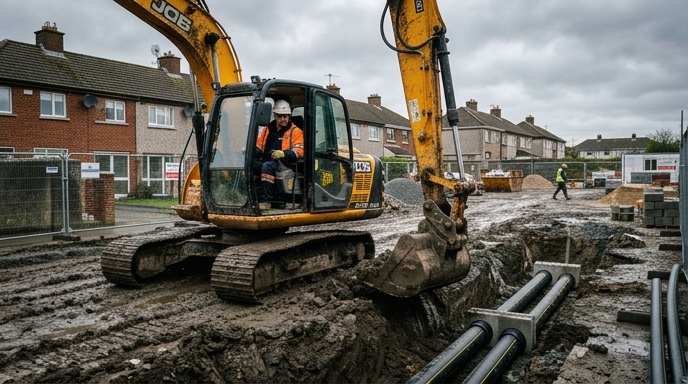
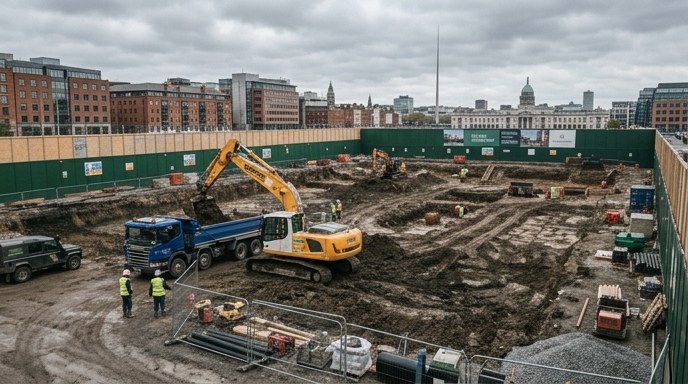
Soft ground, poor drainage runs, old foundations, or buried material can add excavation, cart-away, stone, and labour.
Existing Building Unknowns
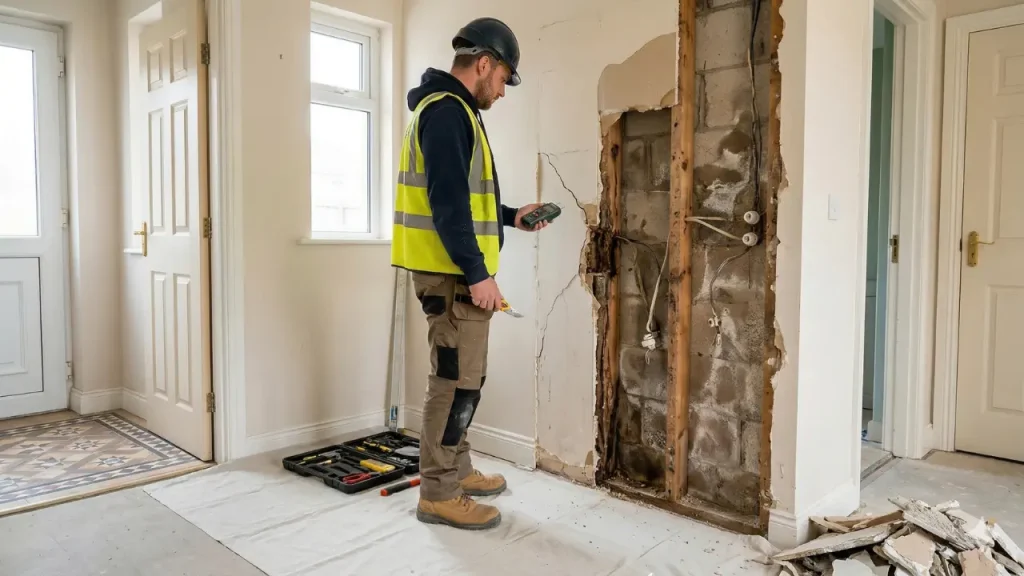
Refurbishment work can uncover rot, damp, weak structure, or outdated wiring. These items are not always visible at survey stage.
Compliance And Sign-Off Steps
Depending on your job type, there can be extra inspection and certification steps to allow for. They’re far easier to manage when they’re planned from the start.
Time, Access, And Logistics
Restricted access, protection, weather delays, and disposal can all add cost. In Dublin, storage and cart-away often matter more than people expect.
Contingency, Allowances, And Client Choices
These three get mixed all the time. Keeping them separate makes budgeting far easier.
Contingency (For Unknowns)
Money set aside for items that are likely on construction jobs but not measurable until you start. It is not for upgrades you decide you’d like.
Allowances (For Items Not Picked Yet)
Placeholders for items you haven’t selected, for example tiles, sanitaryware, ironmongery, or kitchen finishes. They prevent the quote being built on guesses.
Client Choices Pot (For Upgrades You Pick)
Optional extras: higher-spec finishes, added storage, extra sockets, extra landscaping. Ring-fencing this money protects the contingency for genuine surprises.
If you’re planning refurbishment work, Clarcon’s piece on managing a renovation budget and avoiding unexpected costs in Ireland is a useful read because it focuses on the moments that tend to trigger extra spend, and how to keep decisions tidy.
How To Set A Contingency In 2026
There’s no single number that fits every job. A sensible contingency depends on:
- how complete the drawings and specification are,
- how much ground risk exists,
- how much of the job is refurbishment versus new build,
- how fixed your finish choices are.
A practical approach is to start with a higher contingency during early pricing, then reduce it once surveys, drawings, and selections are firm.
Common Budget Lines People Miss
These are the items that often fall between “build cost” and “all-in cost”.
Surveys, Reports, And Design Fees

You may need investigation work, engineering input, or inspections depending on the site and scope. Even on smaller jobs, allow for drawings, revisions, and any required sign-off.
Planning Items
Planning fees are only one part of planning spend. Drawings, notices, and revisions can add up. The Citizens Information page on planning permission is handy, and it can help you plan the sequence before you pay for redesign work.
VAT Treatment
VAT can alter the final number, so your quote should state clearly what rate is being applied and to which parts of the job.
Utilities, Protection, And Waste
Connections or upgrades can appear late if they weren’t checked early. Scaffolding, protection to existing finishes, skips, and cart-away are also easy to underestimate at concept stage.
If you want a Dublin-focused benchmark for refurbishment spend, Clarcon’s overview of house renovation costs in Dublin can help you sanity-check allowances against typical scope, and then adjust them to match your own finish level.
Simple Extras Process That Stops Cost Creep
Unexpected costs become a real problem when extras are agreed verbally, or agreed too late.
Use A Three-Step Rule
- Price the extra first
- Approve it in writing
- Do the work only after approval
Set Decision Dates
Late selections cause rush orders, substitutions, or rework. Put dates on major selections like windows, kitchen layout, bathroom set-out, heating spec, and electrical layout.
Track Spend Every Fortnight
A quick check-in every two weeks is enough:
- items already ordered,
- extras priced but not yet approved,
- remaining contingency,
- upcoming selections.
Plain Budget Template
Keep it simple, and label each cost properly.
Build Scope (Priced Works)
Groundworks and drainage; structure; roof and external envelope; windows and doors; first fix; second fix; finishes; external works.
Project Costs
Surveys and reports; design fees; planning items; certification or inspection items (as required); access and protection; waste removal; utilities and connections.
Risk And Choice Funds
Contingency (unknowns); allowances (not yet selected); client choices pot (optional upgrades).
Signs Your Quote Needs Tidying Before You Start
Pause and clarify the scope if inclusions/exclusions are not listed, allowances are missing, or the extras process is not written down.
If you’re comparing builders, Clarcon’s checklist on what to ask before hiring a building contractor in Dublin makes it easier to compare quotes on scope and process, not just the headline number.
Conclusion
Unexpected costs are one of the most common challenges in any building project. At the beginning, many budgets seem clear, but as construction progresses, new expenses can appear. Often, these costs come from unknown site conditions, missed scope items, or late design changes.
Without proper planning, surprises can cause delays, rushed decisions, and added stress. Therefore, a structured approach to managing cost changes is essential.
By separating uncertainties from optional upgrades, allowing for overlooked items, and using clear written approval for extras, builders and clients can keep control of both budget and decisions. Ultimately, this keeps projects organized, transparent, and financially predictable from start to finish.
To reduce risk and manage costs with greater confidence, builders can rely on Clarcon to bring more clarity, control, and transparency to every stage of the project.