Skip to content

Starting a home renovation can feel like standing at the bottom of a very steep hill. There’s a long list of jobs, a fair few decisions to make, and plenty of ways to get tripped up before the first block is ever lifted.
The honest answer is that the very first thing you should do in a home renovation is set a realistic budget and a clear scope of works before you speak to a single contractor or architect. Get those two right and everything else, from planning permission to material choices, becomes far easier to manage. Skip them and you’re setting yourself up for delays and cost overruns down the line.
Below we’ll walk through the proper order of things, the way an experienced builder would explain it to you over a cup of tea on the kitchen table.
Why the First Steps Matter So Much
Most renovations that go badly wrong don’t fail on site. They fail before the work even starts, usually because the homeowner jumped ahead without nailing down the basics.
Getting the early stages right protects your money, your timeline, and your sanity. It also makes it far easier to bring in the right professionals at the right moment.
- A clear scope stops scope creep, which is the single biggest cause of budget blowouts.
- A realistic budget helps you decide what’s essential and what’s a nice-to-have.
- Early surveys reveal hidden issues like damp, dodgy wiring, or structural problems before they become emergencies.
- Good planning means fewer change orders mid-build, which always cost more than getting it right first time.
In short, slowing down at the start saves you time later. It’s the part of the job most homeowners want to rush through, and it’s the part that pays back the most.

Step One: Define What You Actually Want
Before you ring anyone, sit down with everyone living in the house and write out what you want from the renovation. Be specific. “More space” isn’t useful. “A bigger kitchen-dining area that opens to the garden, plus an extra downstairs loo” gives a builder something to work with.
Separate Needs From Wants
Split your list into two columns. Needs are the things the renovation must deliver. Wants are the extras you’d love if the budget allows. This single exercise often reveals that two people in the same household have very different priorities, and it’s far better to thrash that out now.
Think About How You Live
Consider how the house actually works day to day. Where does morning chaos happen? Where do guests gather? Where’s the cold corner nobody uses? Good design solves real problems, not imaginary ones.
Step Two: Set a Realistic Budget
Budgets are where most renovations come unstuck. Homeowners often underestimate costs by 20 to 30 percent, and then they’re forced to cut corners later. Be honest with yourself from the start.
For ballpark figures in the Dublin area, a full kitchen renovation tends to land somewhere between €25,000 and €60,000, while a ground-floor house extension typically runs from €2,500 to €3,500 per square metre depending on finish and complexity. These are guide figures only and depend on site conditions, specification, and access.
- Always include a contingency of 10 to 15 percent for unexpected costs.
- Factor in professional fees for architects, engineers, and assigned certifiers.
- Don’t forget VAT, skip hire, temporary accommodation, and finishing costs like flooring and decorating.
- Check what’s available through the SEAI home energy grants if insulation, heat pumps, or windows form part of your works.
Once you’ve got a number you’re comfortable with, write it down. That figure becomes the anchor for every decision you make from this point forward.
Step Three: Get the Right Surveys and Reports
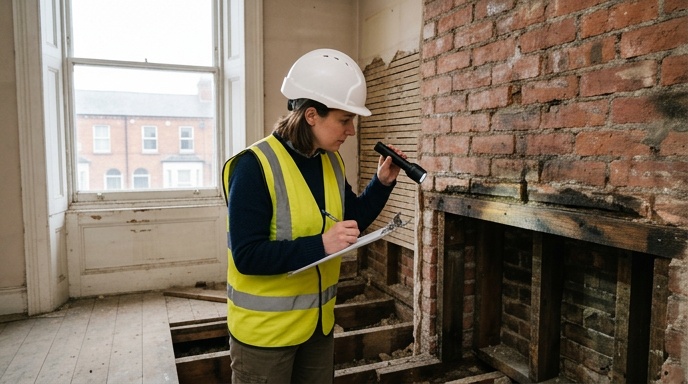
Before you commit to a design, you need to know what you’re working with. Older Irish homes in particular can hide all sorts of surprises behind the plaster.
Structural and Condition Surveys
If your house is more than 30 years old, or if you’re planning to remove walls, get a structural engineer in early. They’ll tell you what’s load-bearing and flag any movement, subsidence, or hidden defects.
Services and Drainage
Check the condition of your electrics, plumbing, and drainage. Rewiring an entire house mid-renovation costs far more than building it into the plan from day one. The same goes for upgrading the consumer unit or replacing old lead pipework.
Step Four: Sort Out Planning Permission
Planning is one of those areas where a small mistake at the start can cost months. In Ireland, many small extensions and internal works fall under exempted development, but the rules are stricter than people realise.
For example, a single-storey rear extension is generally exempt if it doesn’t exceed 40 square metres in total floor area (including any previous extensions) and meets certain rules around boundaries and remaining garden space. Anything beyond that, or any front-facing change, usually needs full planning permission.
- Check with your local authority before assuming anything is exempt.
- Allow 8 to 12 weeks for a standard planning application, plus extra time if observations are submitted.
- Protected structures and properties in Architectural Conservation Areas have much tighter rules.
- If in doubt, apply for a Section 5 declaration to confirm the works are exempt in writing.
Getting caught building without permission is no joke. Enforcement notices, fines, and forced demolition do happen, and they’re a nightmare to sort out after the fact.
Step Five: Choose Your Team Carefully
Once you’ve got a clear scope, a budget, and any required permissions in motion, it’s time to bring in the people who’ll actually do the work. This is where many homeowners make their biggest mistake, picking the cheapest quote without checking what’s behind it.
Look Beyond the Headline Price
The lowest quote is almost never the best value. Compare what’s included. Some quotes leave out skip hire, finishes, or VAT, and the gap only shows up when the invoice lands. A proper quote should be itemised, clear, and based on the same scope as everyone else’s.
Check Credentials and References
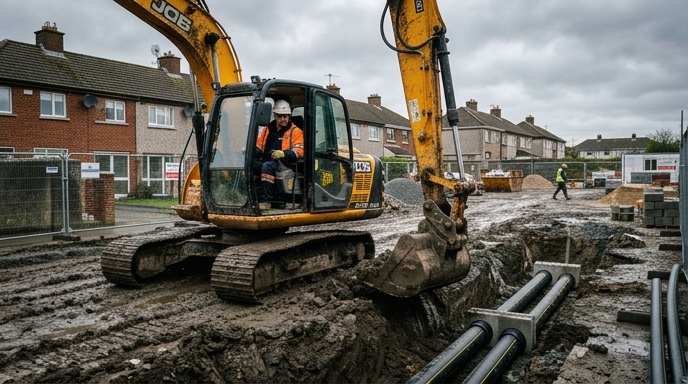
Ask for tax clearance, insurance details, and references from recent projects of a similar size. A builder with experience in both house renovations and civil works can often handle awkward groundwork issues that catch others out. Visit a finished job if you can, and chat to the homeowner.

Step Six: Plan Your Living Arrangements
This one catches people out more than you’d believe. If your renovation involves the kitchen, the only bathroom, or major structural work, you may not be able to live in the house safely or comfortably while works are ongoing.
Think about whether you’ll move out, rent locally, or stay with family. Factor the cost of that into the budget, because temporary accommodation in Dublin for two or three months can easily add €5,000 to €10,000 to the overall spend.
Also consider where you’ll store furniture, where the skip will sit, and how deliveries will reach the site. These small logistics make a big difference once the dust starts flying.
Putting It All Together
A good renovation starts long before the first wall is touched. Define what you want, set a realistic budget, get the right surveys, sort out planning, choose your team carefully, and plan how you’ll live through it. Get those six steps right and the build itself becomes the easy part.
If you’re thinking about a renovation or extension and want a straight conversation about what’s realistic for your home and budget, get in touch with our team for a no-pressure chat and a detailed quote.