Skip to content
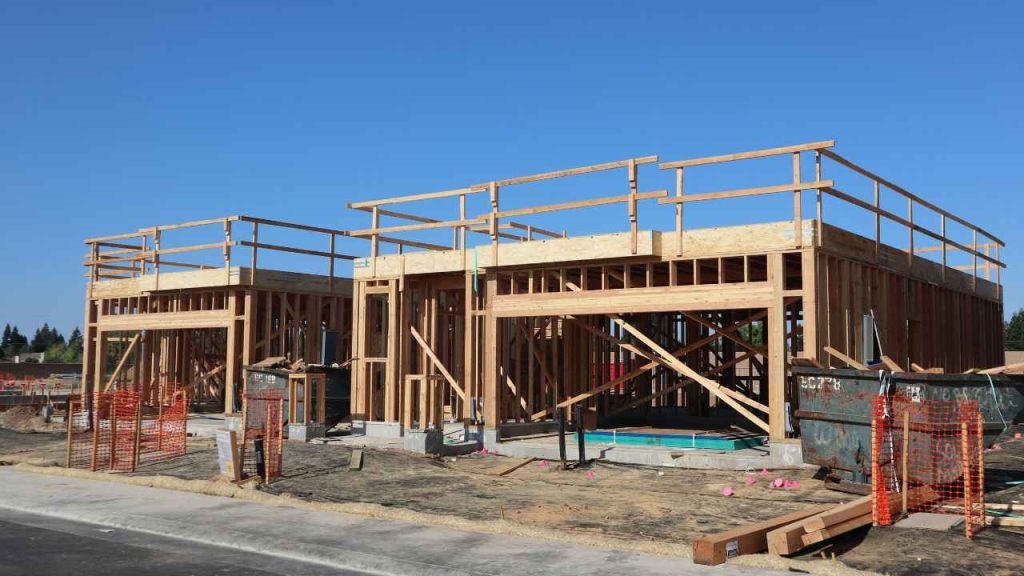
Turning a piece of land into a finished home is a rewarding project, but it demands careful financial planning. If you have searched for a single figure for residential site development cost in Dublin and not found one, that is because the cost is shaped by several factors, the condition of the land, what services it already has, and what the local authority charges.
This guide breaks down what residential site development actually costs in Dublin, the factors that drive it, and how to budget for it properly. For the wider topic of preparing a construction site, see our guide on construction site development cost in Dublin.
What Is Residential Site Development?
Residential site development is the groundwork and infrastructure that prepares a plot of land for building a home. It is more than buying the land. It includes site clearance, ground levelling and excavation, drainage, road and site access, connecting utilities, and meeting the local authority’s planning and building requirements.
In Dublin, where land values and construction standards are high, this stage matters. Done properly, the build starts on stable, compliant ground. Skipped or underestimated, it leads to drainage failures, structural problems or planning issues later. Site development is the foundation of a cost-efficient build, in the literal and the financial sense.
How Much Does Residential Site Development Cost in Dublin?
There is no single fixed figure, but the budget breaks down into clear components.
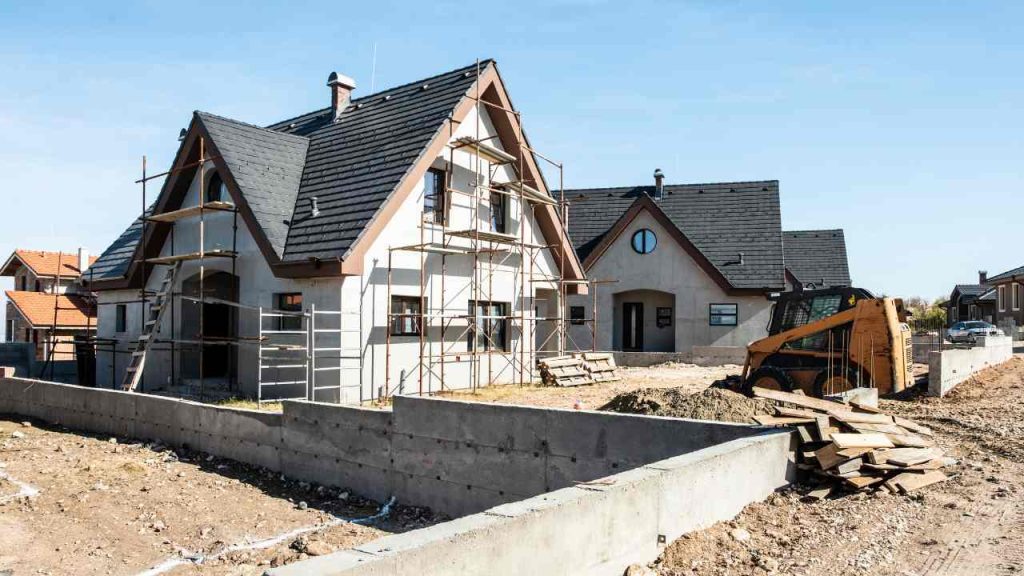
Site works. Drainage, water connection, ground preparation, paving and landscaping typically fall in the region of €30,000 to €40,000 for a standard residential site, though this moves significantly with ground conditions and site size.
Land acquisition. Buying the plot itself is usually the largest single cost, and in the Dublin area it ranges widely, from around €30,000 to well over €100,000, depending on location and proximity to amenities.
Planning application fee. The statutory fee paid to the local authority is modest: €65 for a new house. This is a fixed government fee, not a major budget item.
Development contributions. This is the planning cost that catches people out. Separate from the small application fee, local authorities charge a development contribution towards public infrastructure, calculated per square metre of the new home. In the Dublin area, recent scheme rates sit at roughly €117 to €126 per square metre. For a 200 square metre house, that is a contribution of over €23,000. Rates vary by council and are updated periodically, so always check the current development contribution scheme for your local authority.
Professional fees. Architects or architectural technologists, structural and civil engineers, and a solicitor for the legal side all add to the budget. These are commonly several thousand euro depending on the project.
Construction and site work in Ireland is charged at the reduced VAT rate of 13.5%, which should be included when you compare quotes.
What Drives Residential Site Development Cost in Dublin?
Here are some factors that influence the total cost:
1. Site Location and Accessibility
Location affects cost in two directions. Central, high-demand Dublin sites carry higher land prices. Rural or poorly connected sites can carry higher infrastructure costs, road access, drainage runs, utility extensions. A site with established access and nearby service connections is cheaper to develop on both counts.
2. Land Conditions and Topography
Ground quality is one of the biggest variables. Sloped or uneven land needs extra excavation, retaining structures or drainage. Poor or soft soil may need reinforcement before foundations. A geotechnical or site investigation early on identifies these issues before they become mid-build cost overruns.
3. Utilities and Infrastructure
Connecting water, electricity, gas and wastewater is straightforward and cheaper on a serviced site. Where lines have to be extended or upgraded, or where an on-site wastewater treatment system is needed, costs rise. Factor utility connection charges in early, they are routinely underestimated.
4. Planning and Development Contributions
Beyond the €65 application fee, the development contribution is the real planning cost, and it scales with the size of the home. Professional drawings, environmental assessments and legal documentation add further. Securing approvals cleanly the first time avoids the cost of reapplication.
5. Design, Materials and Construction Standards
The specification of the build affects the groundwork too. Higher-quality materials, complex designs and energy-efficiency features increase cost. Balancing specification against budget, with your architect and contractor, keeps the project financially sound.
How to Budget Residential Site Development Properly
Get a site investigation done before you finalise the budget, ground conditions are the biggest unknown. Confirm your local authority’s current development contribution rate, because it is a five-figure cost that varies by council. Get itemised quotes you can compare component by component. And build in a contingency of 10 to 15%, as older or unknown ground almost always reveals something. Our guide on managing a renovation budget and avoiding unexpected costs sets out a structure that applies to site development budgets too.
Get an Accurate Cost for Your Site
The only reliable figure for your project is one based on your actual site. Clarcon provides residential site development, groundwork and construction management across Dublin and Ireland, with clear, itemised cost guidance rather than generic rates. Contact our team for a detailed estimate, or call 01 437 0645.
The residential site development cost in Dublin depends on several key factors, including site location, land condition, utility connections, and planning requirements. While site works can cost around €40,000 and land acquisition can range between €30,000 and €100,000 or more, professional and legal fees also add to the total investment. By carefully evaluating costs and working with experienced professionals, you can achieve a smooth, efficient, and financially sound development process.
We offer expert residential site development, groundwork, and construction management services across Dublin and throughout Ireland. Contact Clarcon Construction today to discuss your project, get a detailed cost estimate, and start building your dream home with confidence and expert guidance.